


Monet In Full Light
Monet In Full Light
Моне в полном свете
Text and photos by Claude Lisbona Текст и фото - Claude Lisbona
Grimaldi Forum, Monaco
Гримальди Форум, Монако
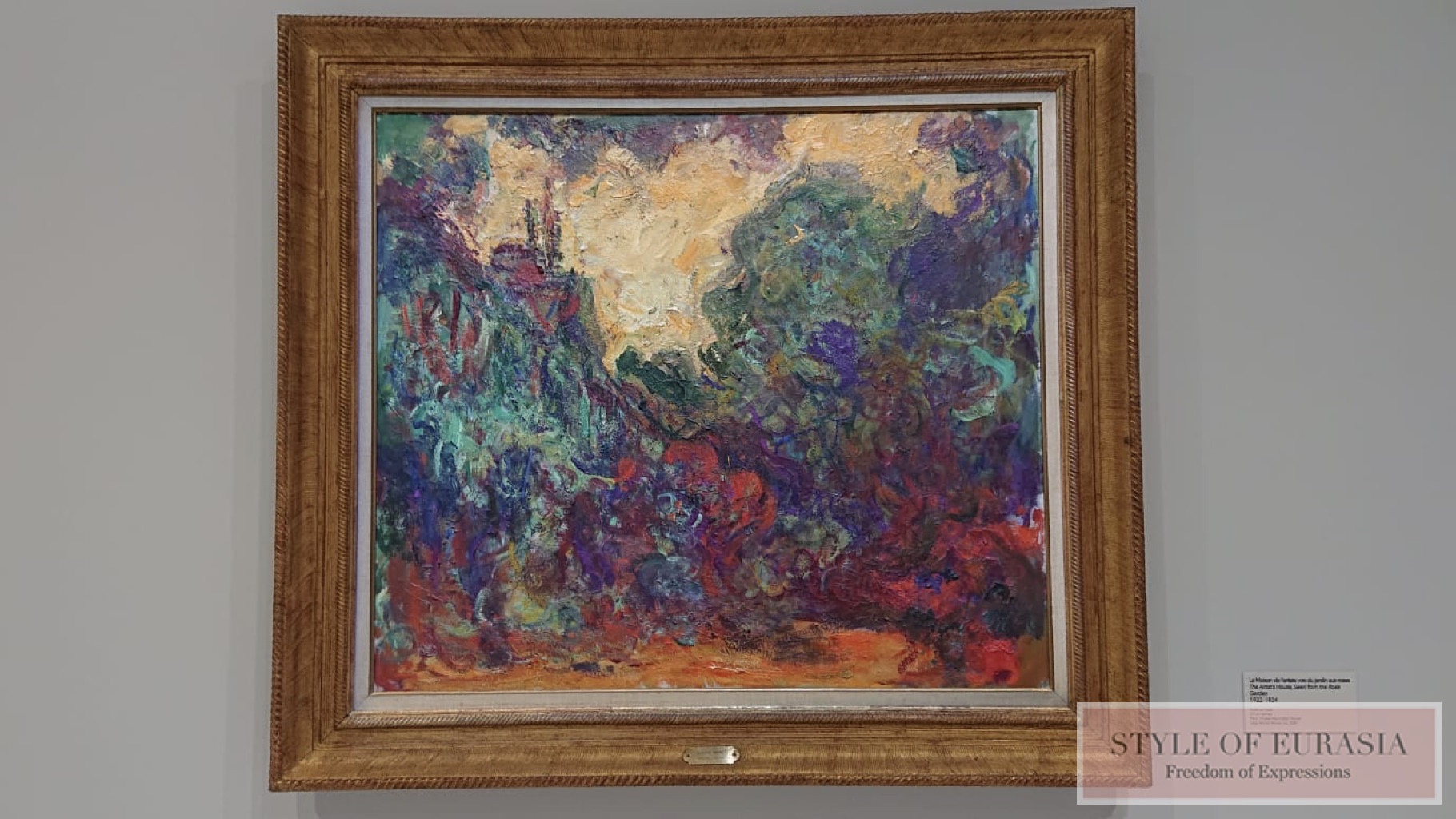
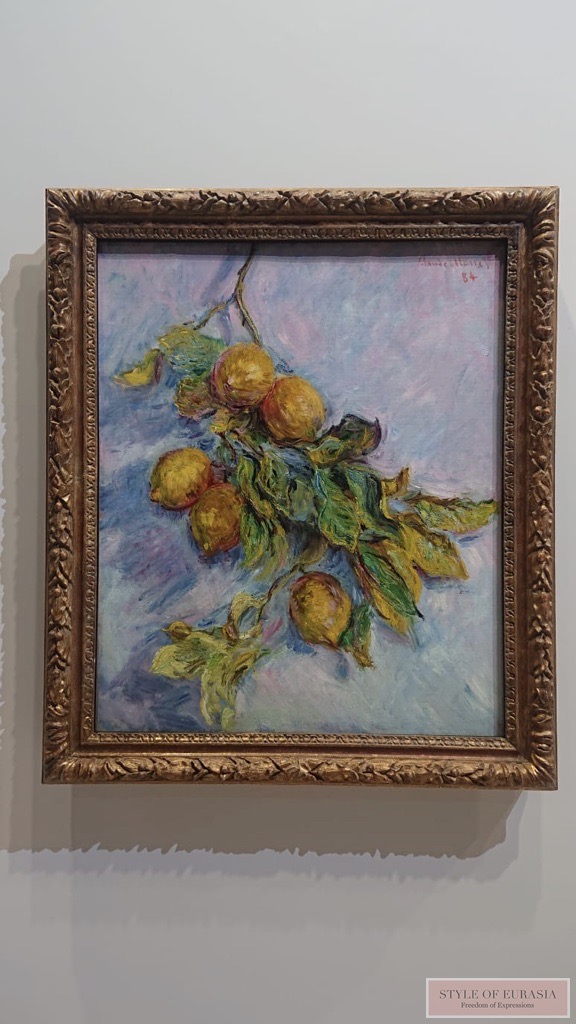
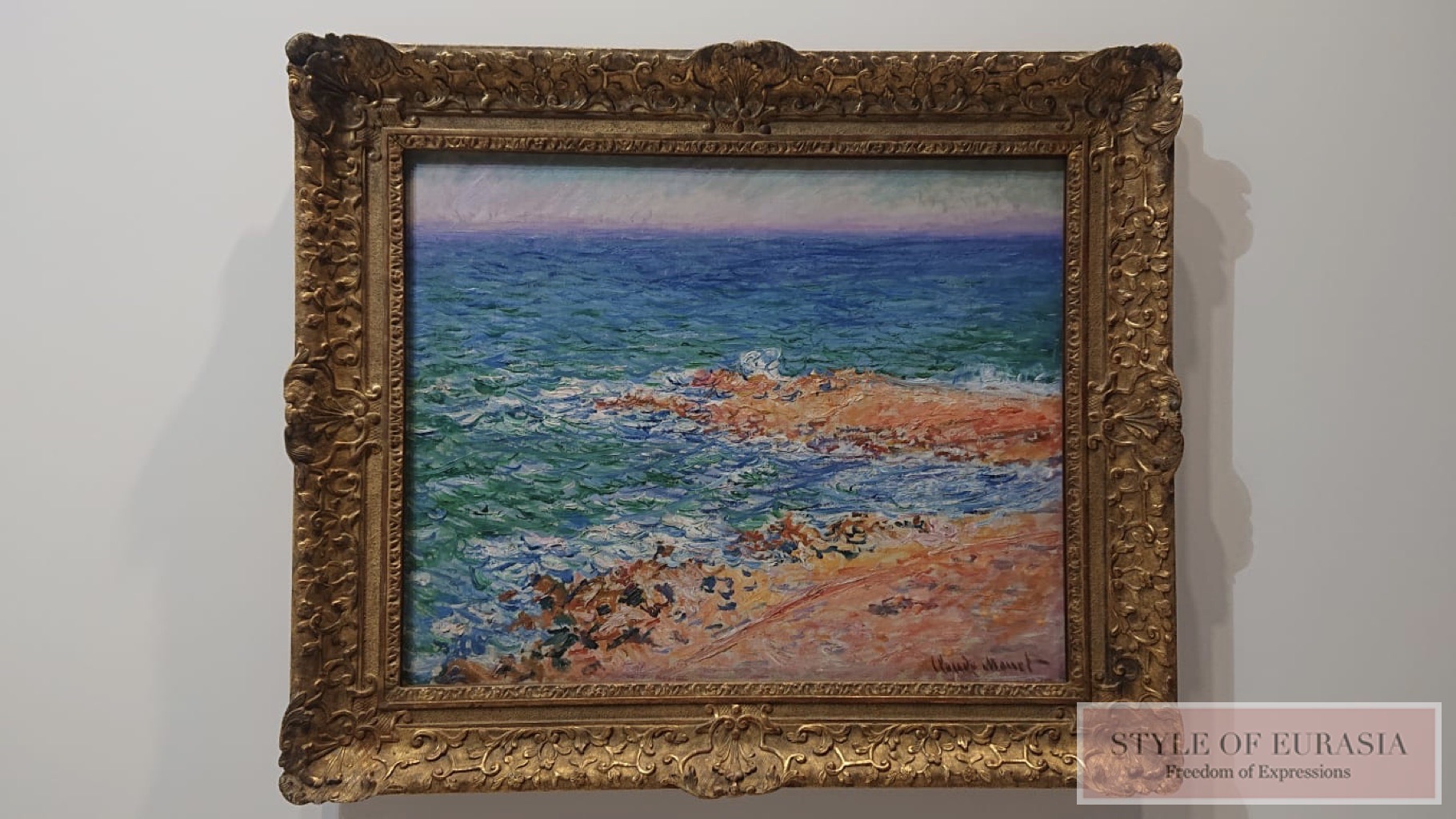
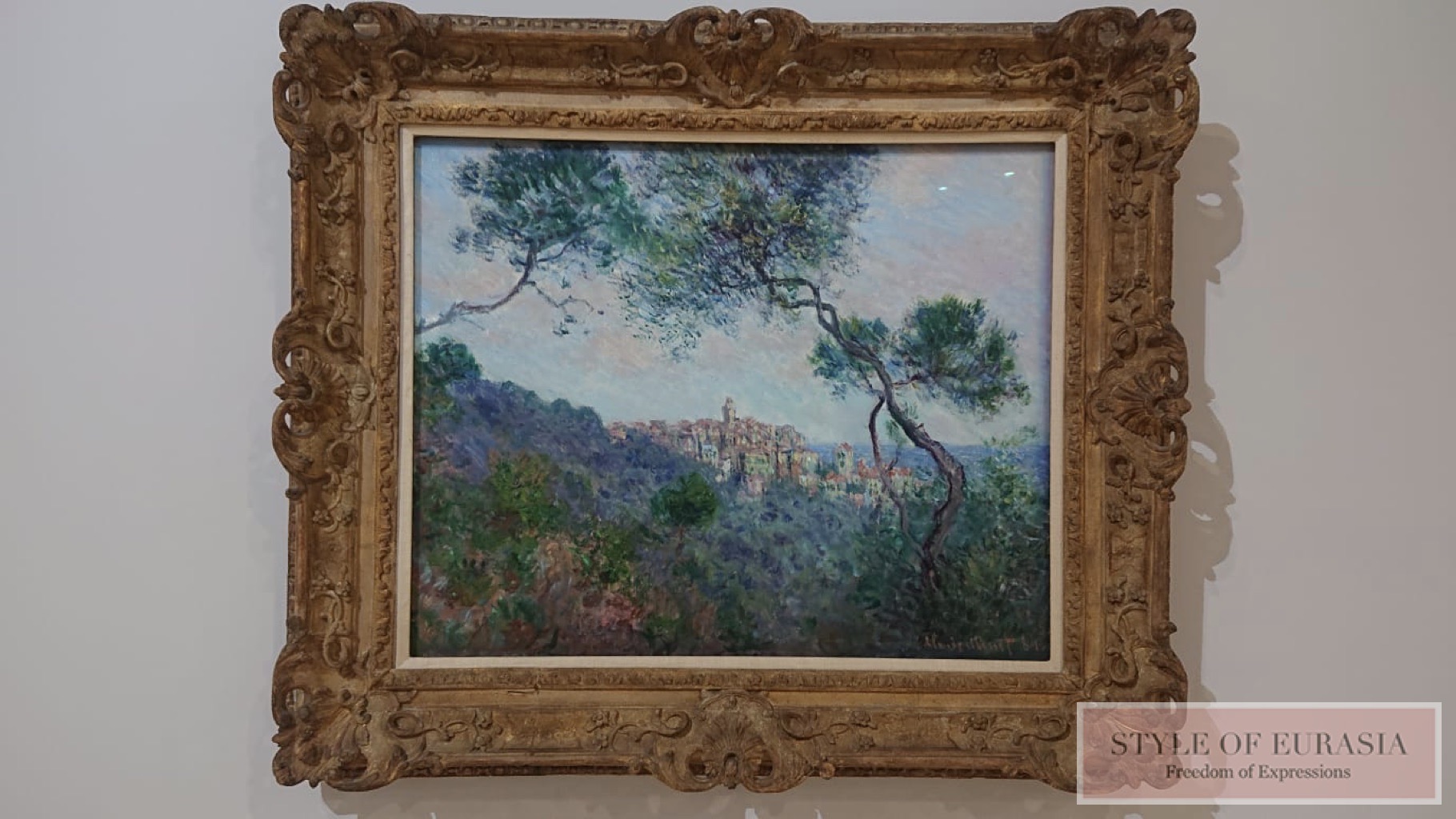
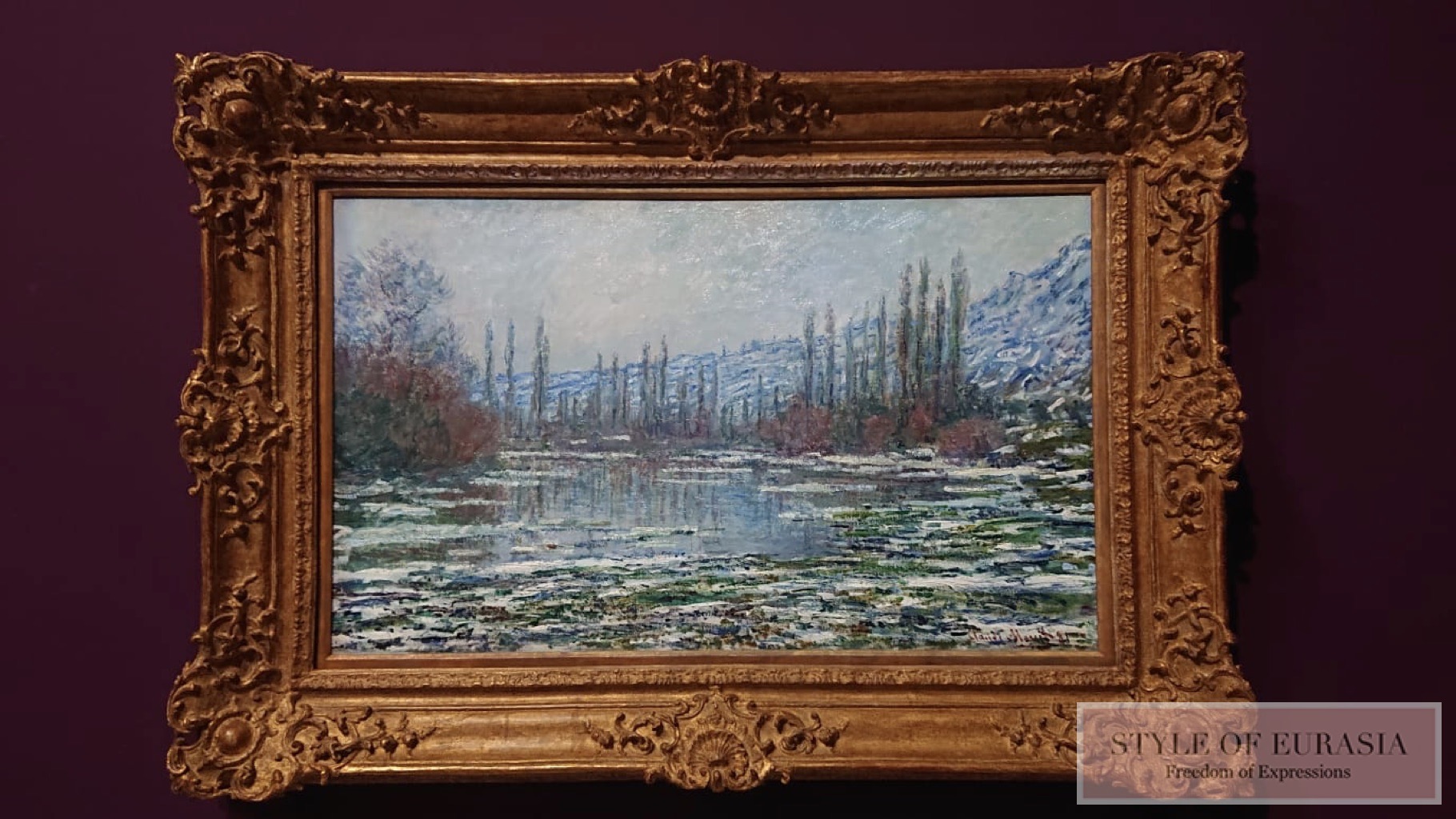
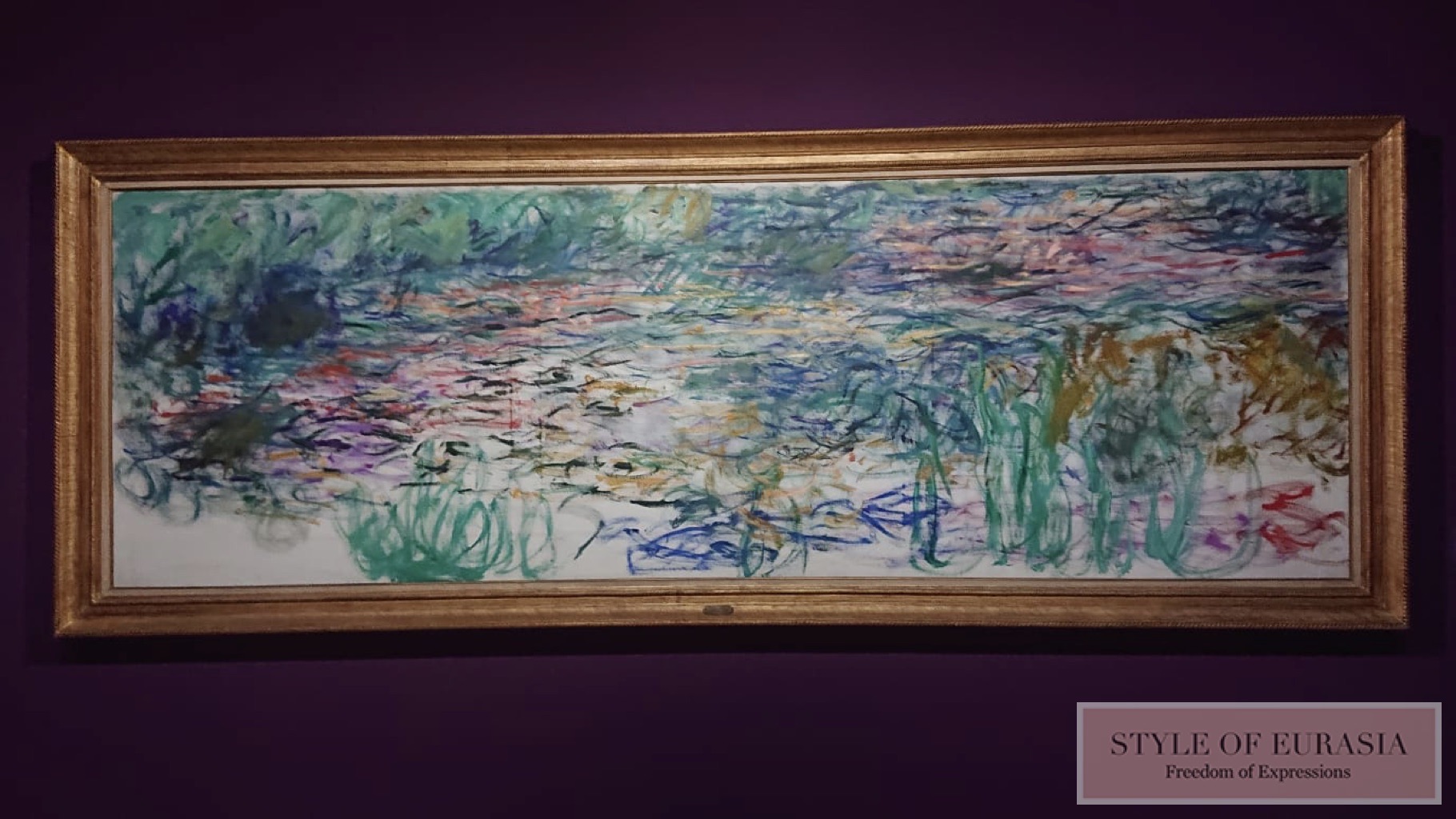
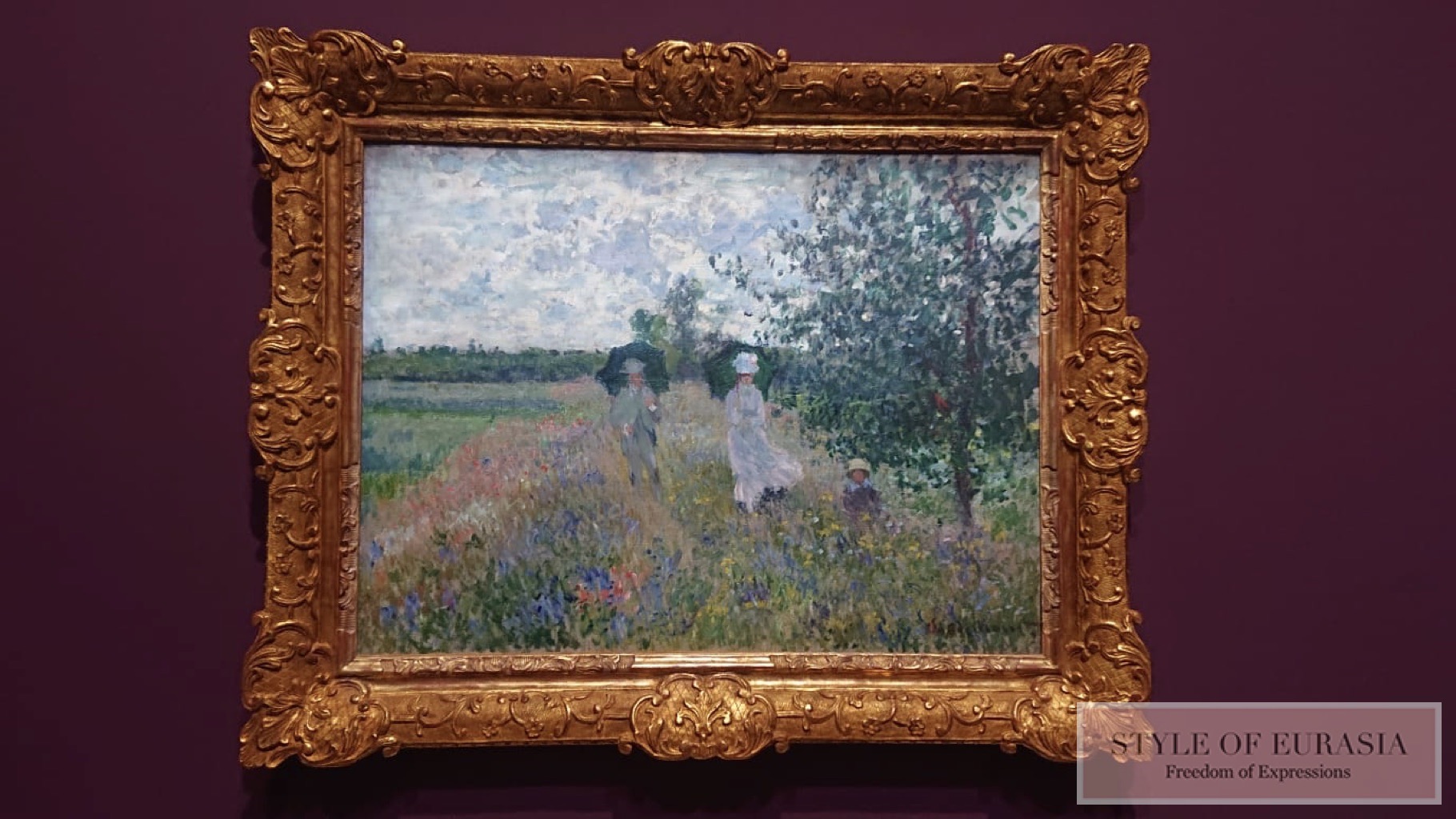
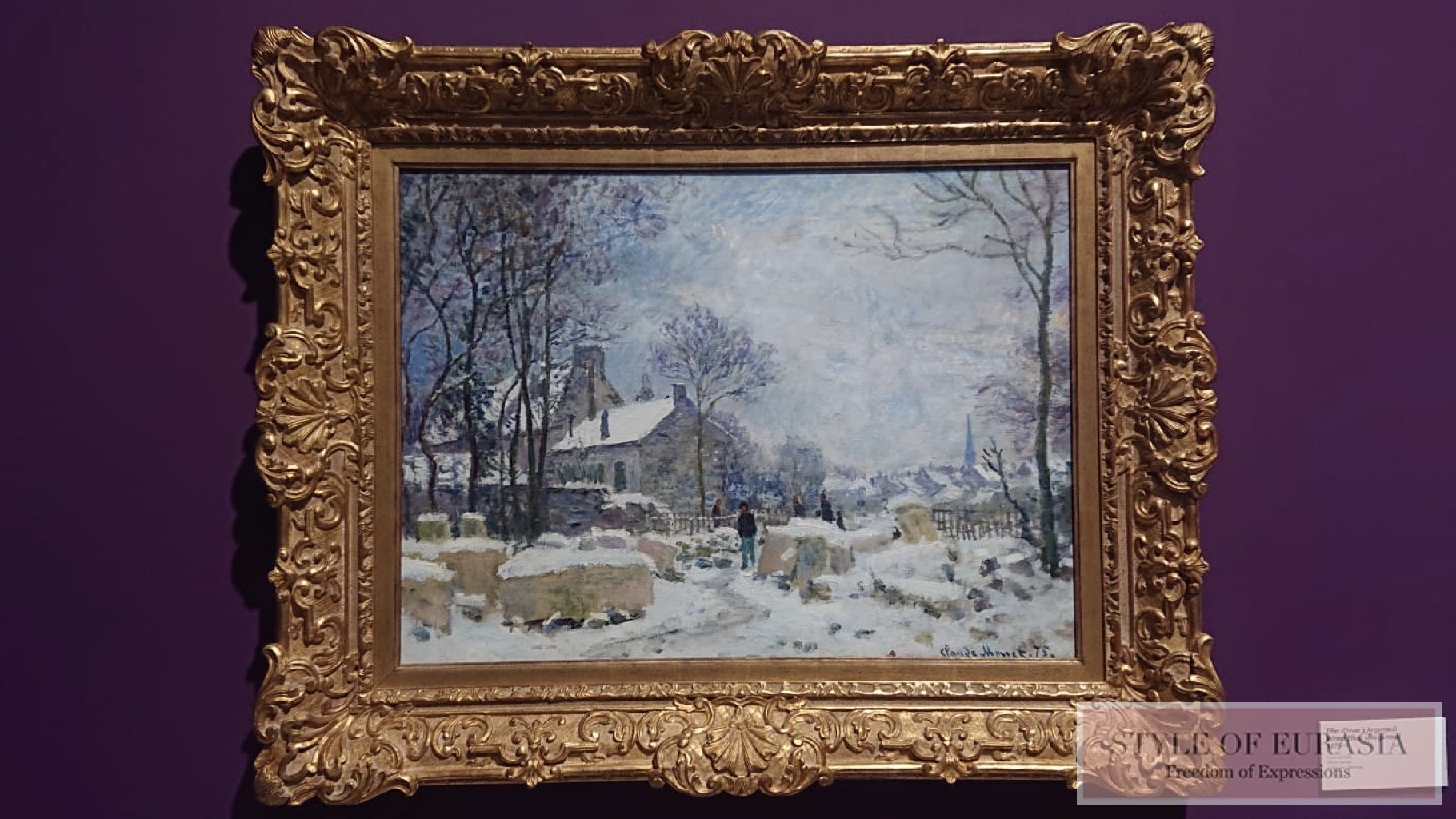
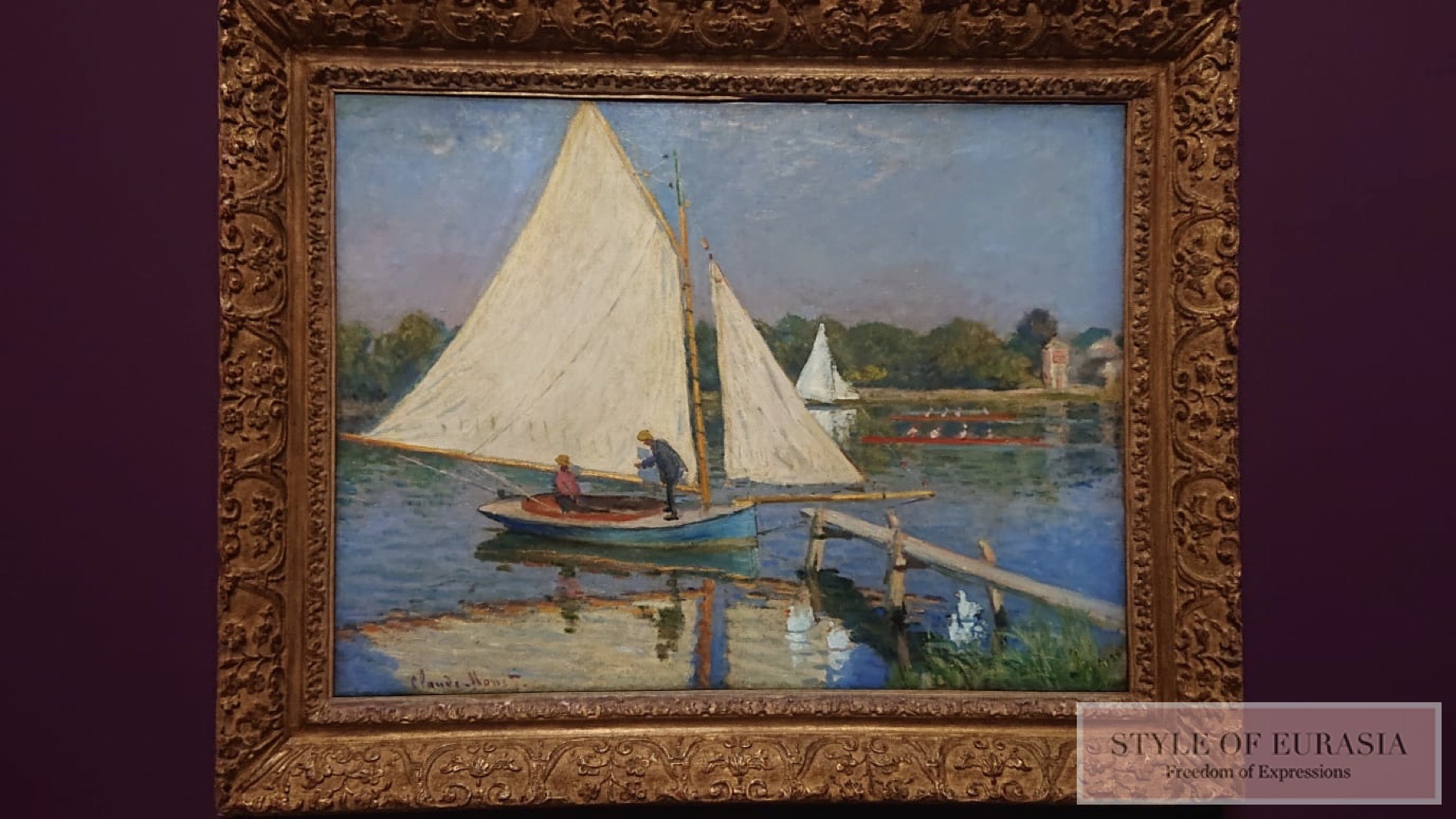
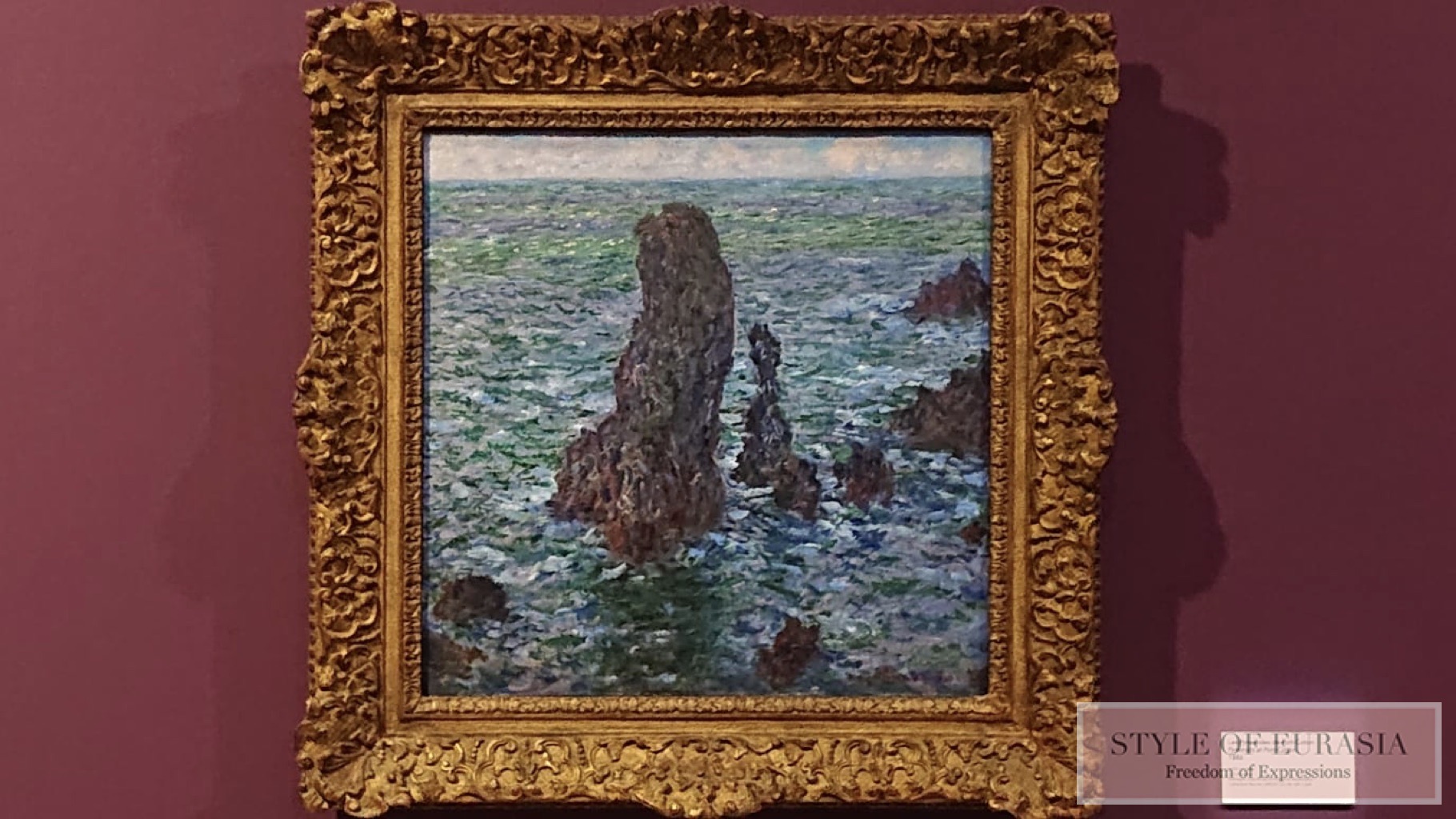
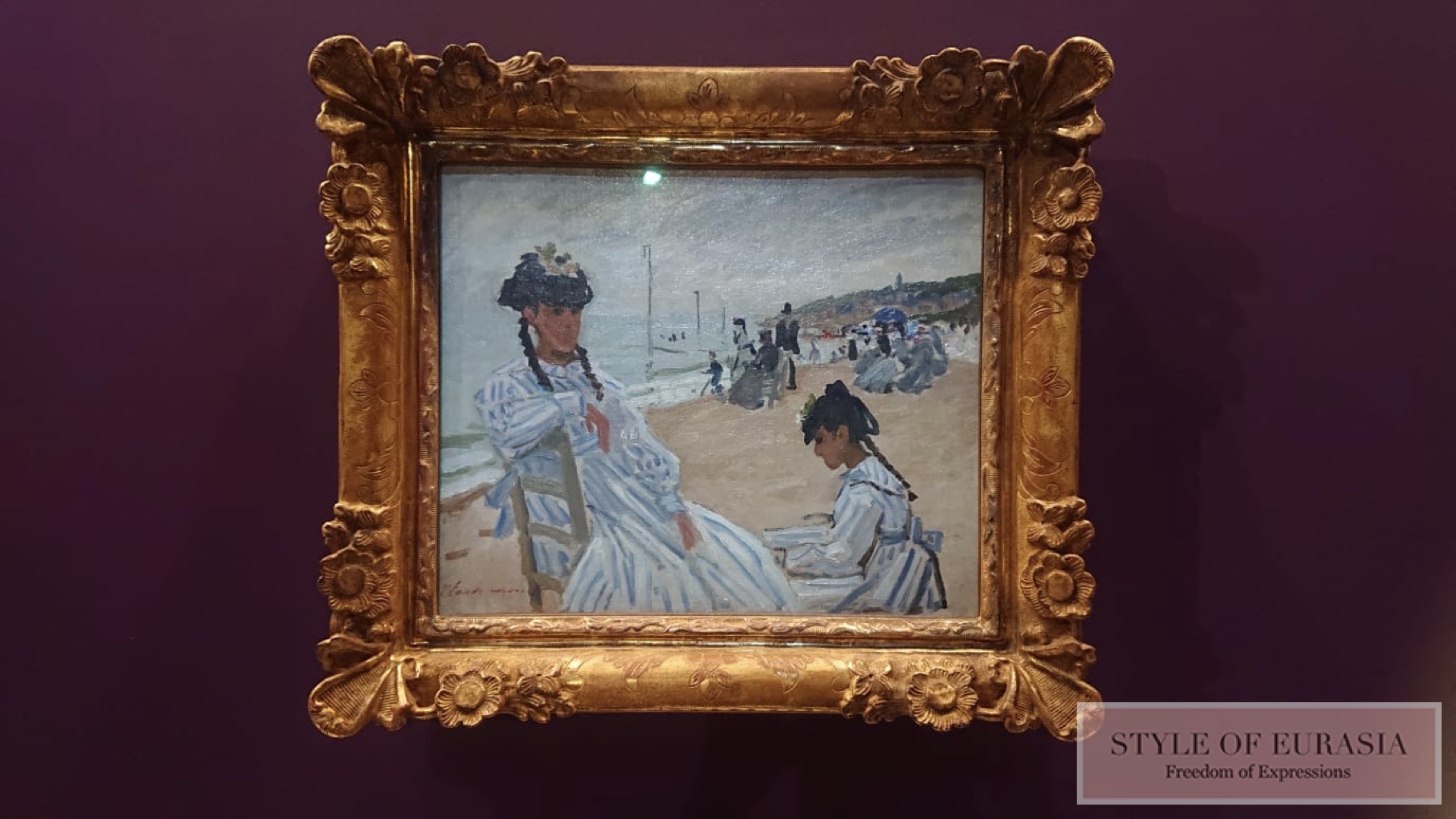
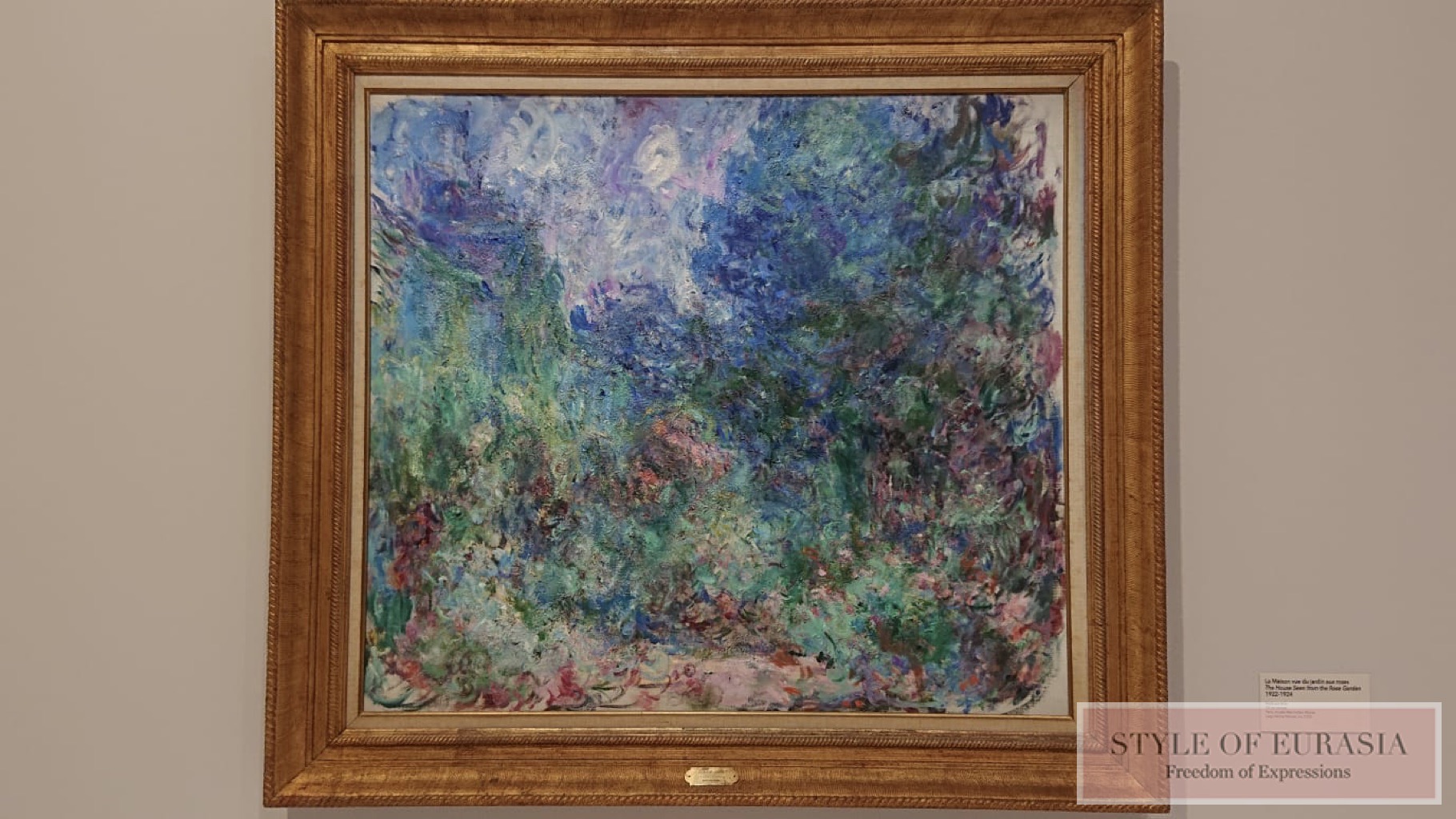
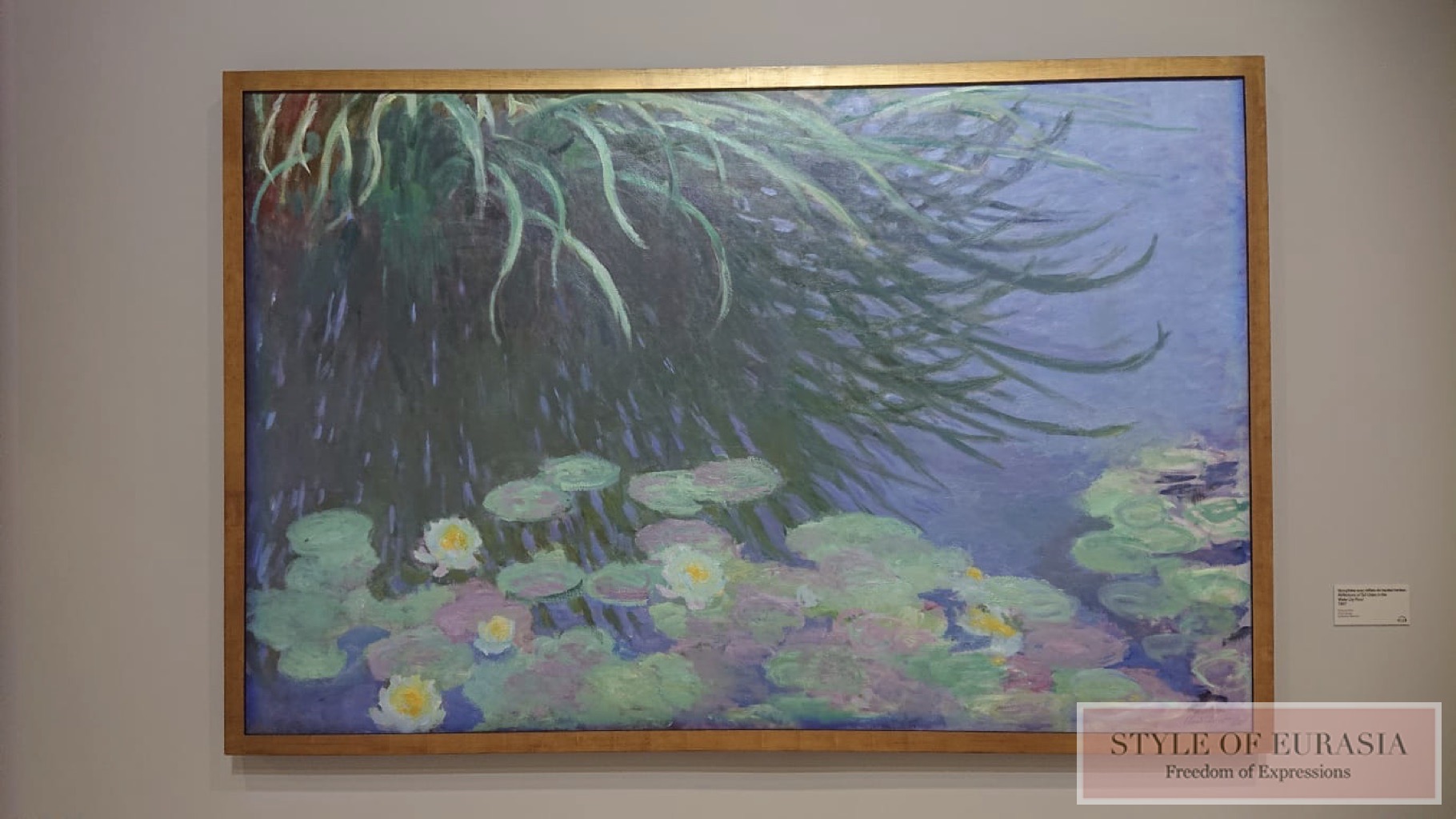
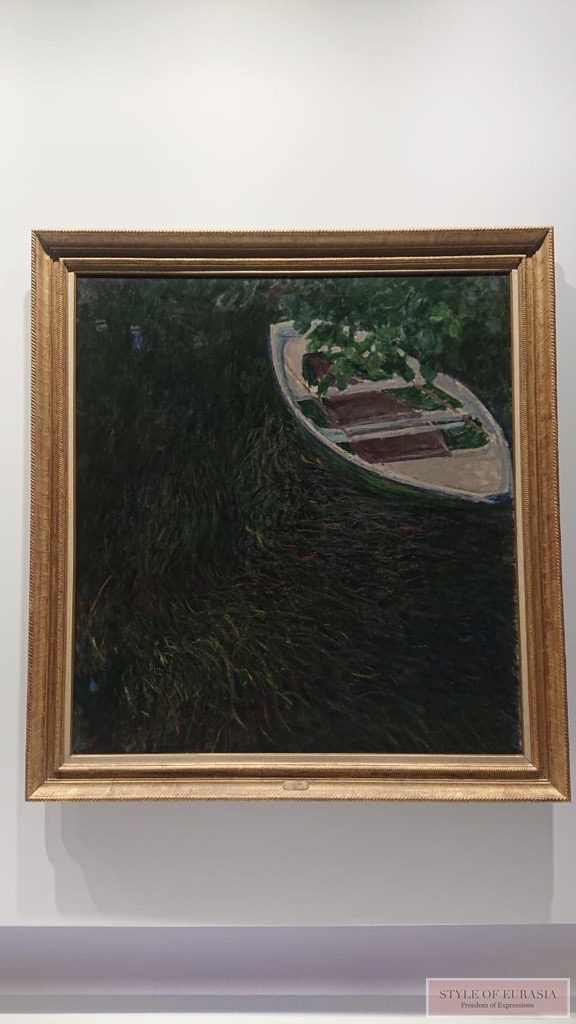
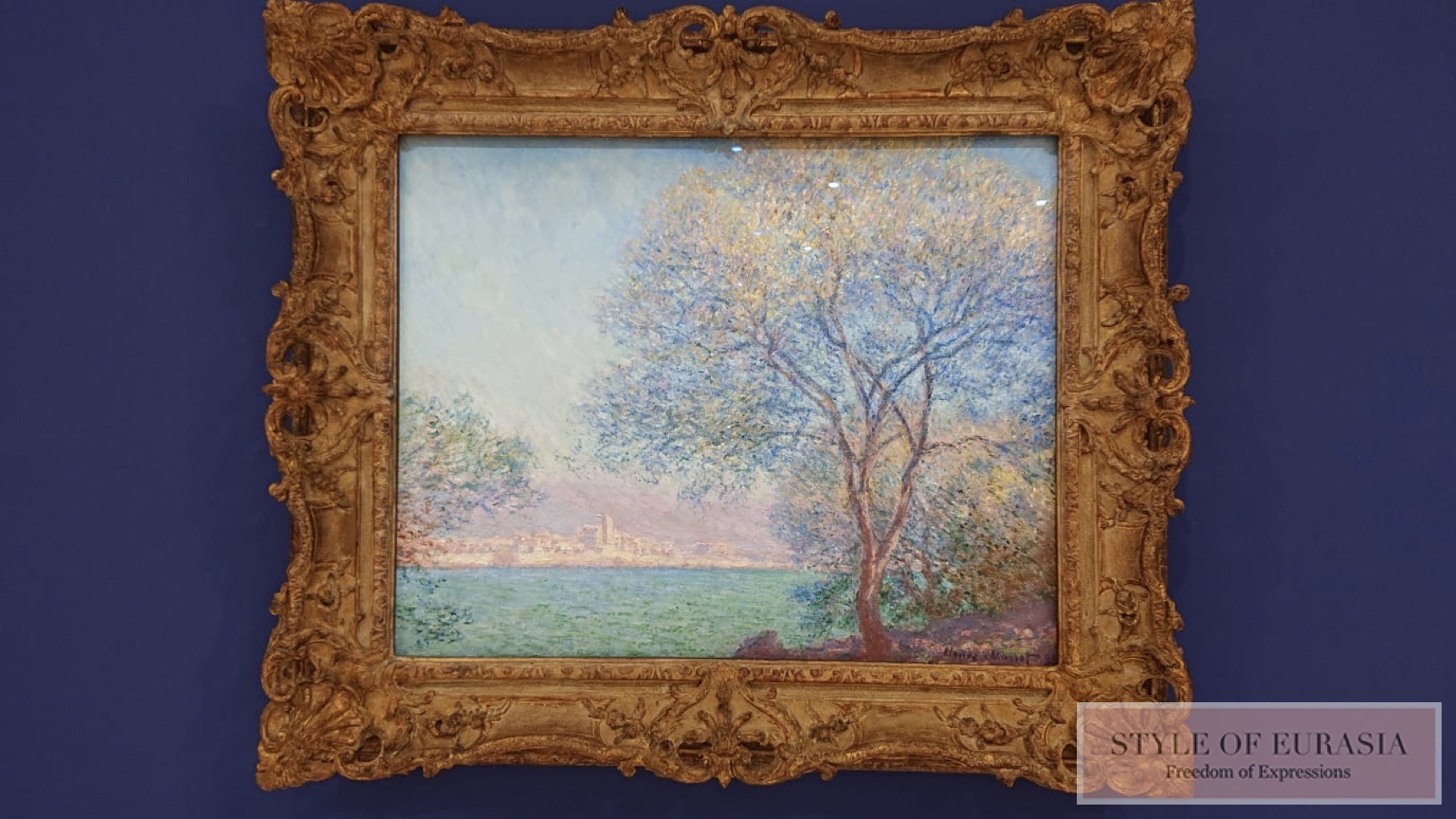
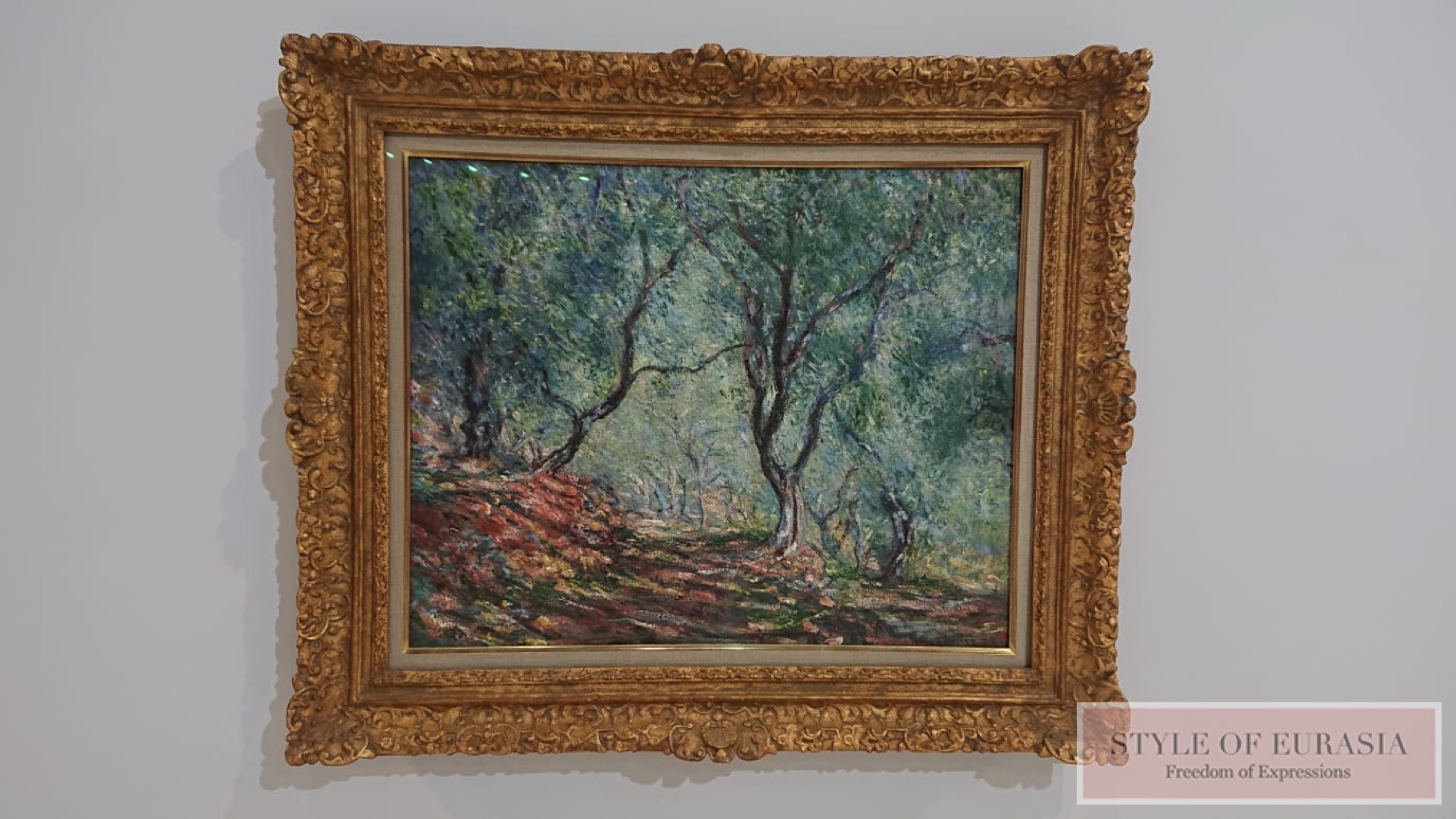
No, Claude Monet's painting was not always the same. There is a before and after the purchase of his house in Giverny, and especially the discovery of the light of the Rivera in the 1880s. After his exploration of the Paris region (On a Stroll near Argenteuil-1875, Boaters at Argenteuil-1874, or The Breakup at Vétheuil-1880) and Normandy (The Pyramids at Port-Coton, Belle-Île-en-Mer-1886), the painter Claude Monet (1840-1926), in the 1880s, sought different motifs, atmospheres, and lights. This need for renewal simply led him to the Rivera in the company of his friend, the painter Auguste Renoir. Like so many artists (Turner, and later, De Staël, Seurat, Renoir, Bonnard, Matisse), he fell in love with this unique Mediterranean light. His palette adorned itself with diamonds and jewels. After his two stays, nothing would be the same again. He worked in solitude. He carried out painting campaigns leading to his famous series (Rouen Cathedral, Haystacks, English Parliament, View of Venice) because what matters are the effects of light and their reflections at a specific moment, the when rather than the what. In Giverny, his painting ended up being nothing but mirrors of water without a horizon line, just the reflections of light on the water, and it is indeed the light that adorns it with its different colored robes depending on the time, the weather...
Нет, живопись Клода Моне не всегда была одинаковой. Есть до и после покупки им своего дома в Живерни, и особенно открытия света Ривьеры в 1880-х годах. После его исследования Парижского региона (Прогулка у Аржантёй-1875, Гребцы в Аржантёй-1874 или Разгром в Ветей-1880) и Нормандии (Пирамиды у Пор-Котона, Бель-Иль-ан-Мер-1886), художник Клод Моне (1840-1926) в 1880-х годах искал другие мотивы, атмосферы и свет. Эта потребность в обновлении просто привела его на Ривьеру в компании своего друга художника Огюста Реноара. Как и многие другие художники (Тернер, а затем, Де Сталь, Сёро, Реноар, Боннар, Матисс), он влюбился в этот уникальный средиземноморский свет. Его палитра украшалась бриллиантами и драгоценностями. После двух пребываний ничего не было таким же. Он работал в одиночестве. Он проводил живописные кампании, приводящие к его знаменитым сериям (Руанский собор, Снопы, Английский парламент, Вид Венеции), потому что важны эффекты света и их отражения в определенный момент, когда, а не что. В Живерни его живопись в конечном итоге стала всего лишь зеркалами воды без линии горизонта, только отражения света на воде, и это действительно свет украшает его разноцветными платьями в зависимости от времени, погоды...
 Click to open image!
Click to open image!
Click to open image!
 Click to open image!
Click to open image!
Click to open image!
 Click to open image!
Click to open image!
Click to open image!
 Click to open image!
Click to open image!
Click to open image!
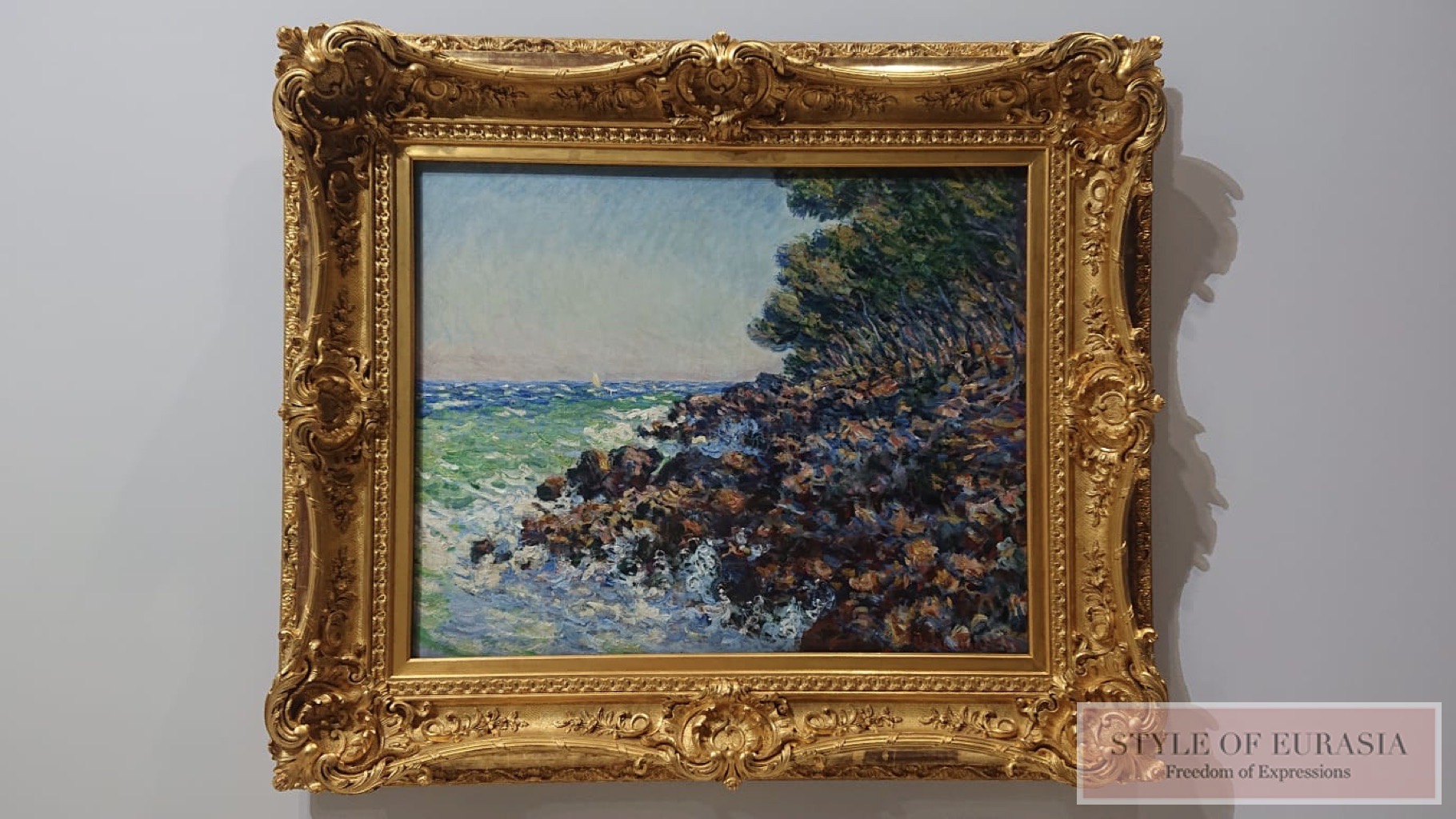 Click to open image!
Click to open image!
Click to open image!
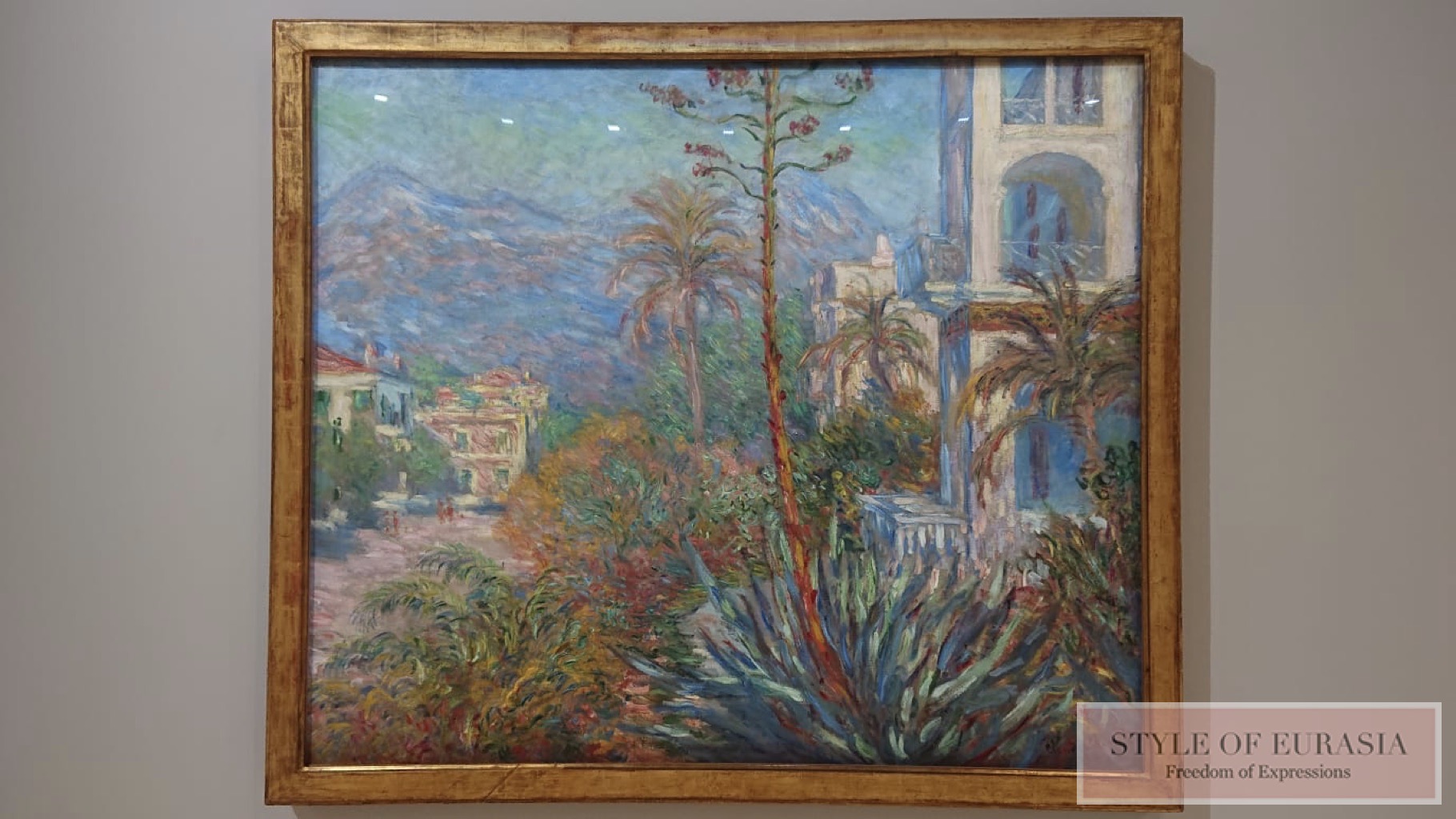 Click to open image!
Click to open image!
Click to open image!
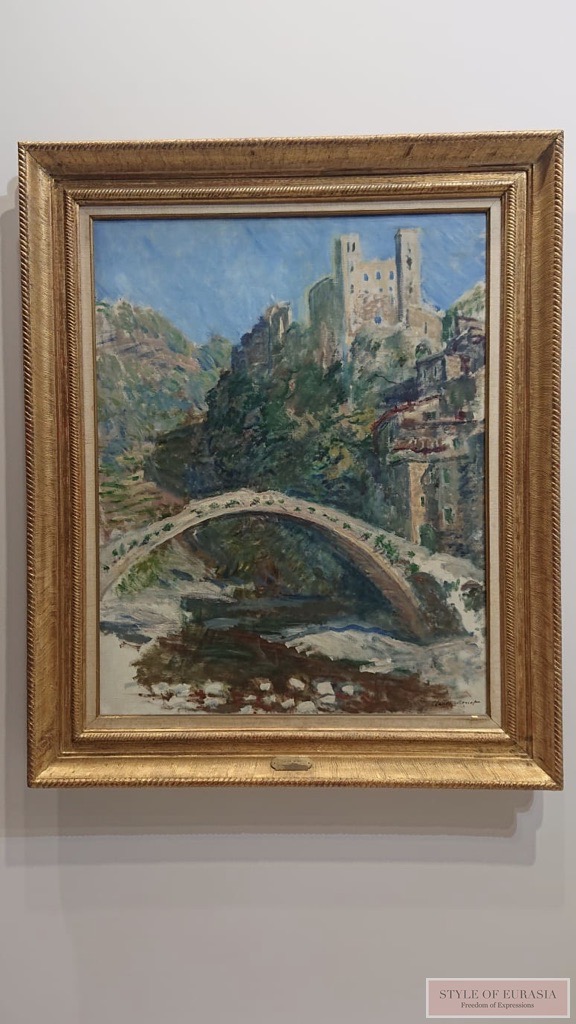 Click to open image!
Click to open image!
Click to open image!
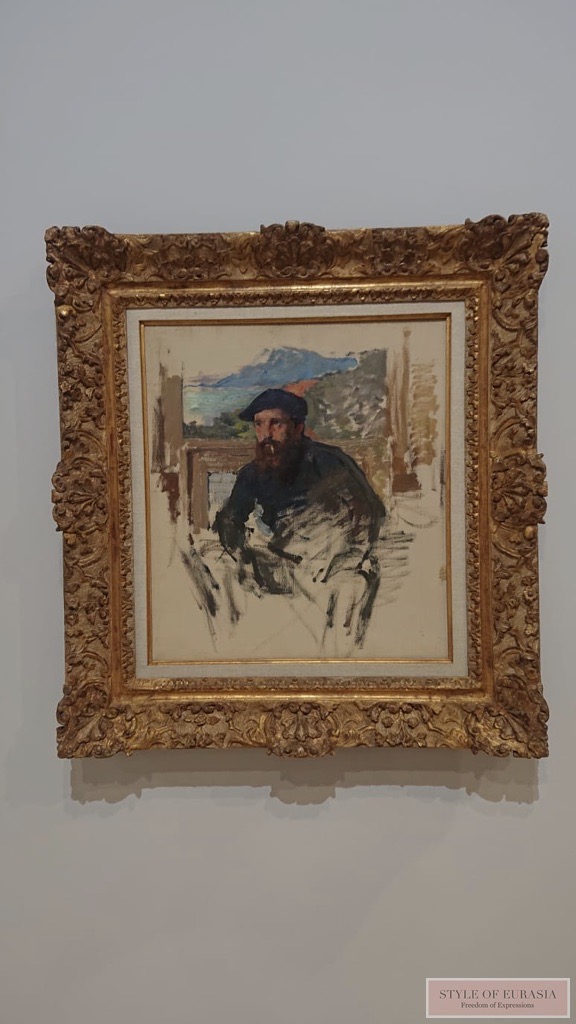 Click to open image!
Click to open image!
Click to open image!
 Click to open image!
Click to open image!
Click to open image!
 Click to open image!
Click to open image!
Click to open image!
 Click to open image!
Click to open image!
Click to open image!
 Click to open image!
Click to open image!
Click to open image!
 Click to open image!
Click to open image!
Click to open image!
 Click to open image!
Click to open image!
Click to open image!
 Click to open image!
Click to open image!
Click to open image!
 Click to open image!
Click to open image!
Click to open image!
 Click to open image!
Click to open image!
Click to open image!
 Click to open image!
Click to open image!
Click to open image!
 Click to open image!
Click to open image!
Click to open image!
 Click to open image!
Click to open image!
Click to open image!
https://www.styleofeurasia.com/big-city-life/item/2885-monet-in-full-light#sigProGalleriac905c00a82
Related items
- Vogue World: Milano 2026 Turns the Galleria Vittorio Emanuele II into a Spectacular Fashion Stage
- AKAA 2026: Paris Celebrates the New Voices of African Contemporary Art
- Kerry James Marshall: The Histories — A Landmark Exhibition Opens in Paris
- Dubai Tourism Records Highest Daily Visitor Numbers Since February as Arabian Travel Market 2026 Opens
- Maison & Objet September 2026: Our Editorial Team Returns to the Heart of Design in Paris


