

Interview: Olivier Lapidus
Interview: Olivier Lapidus
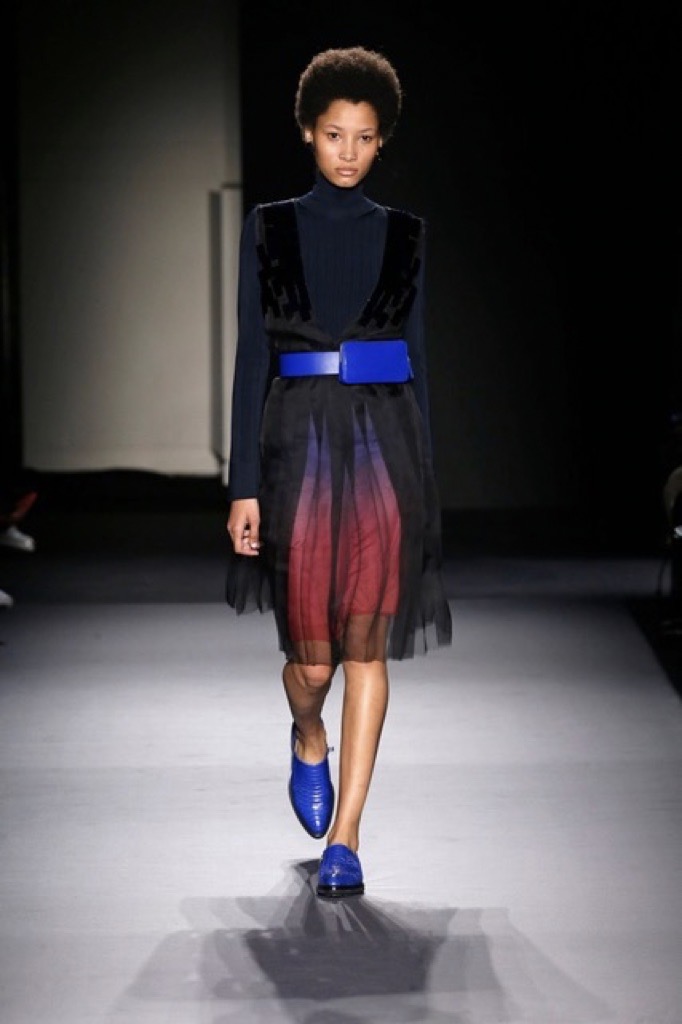
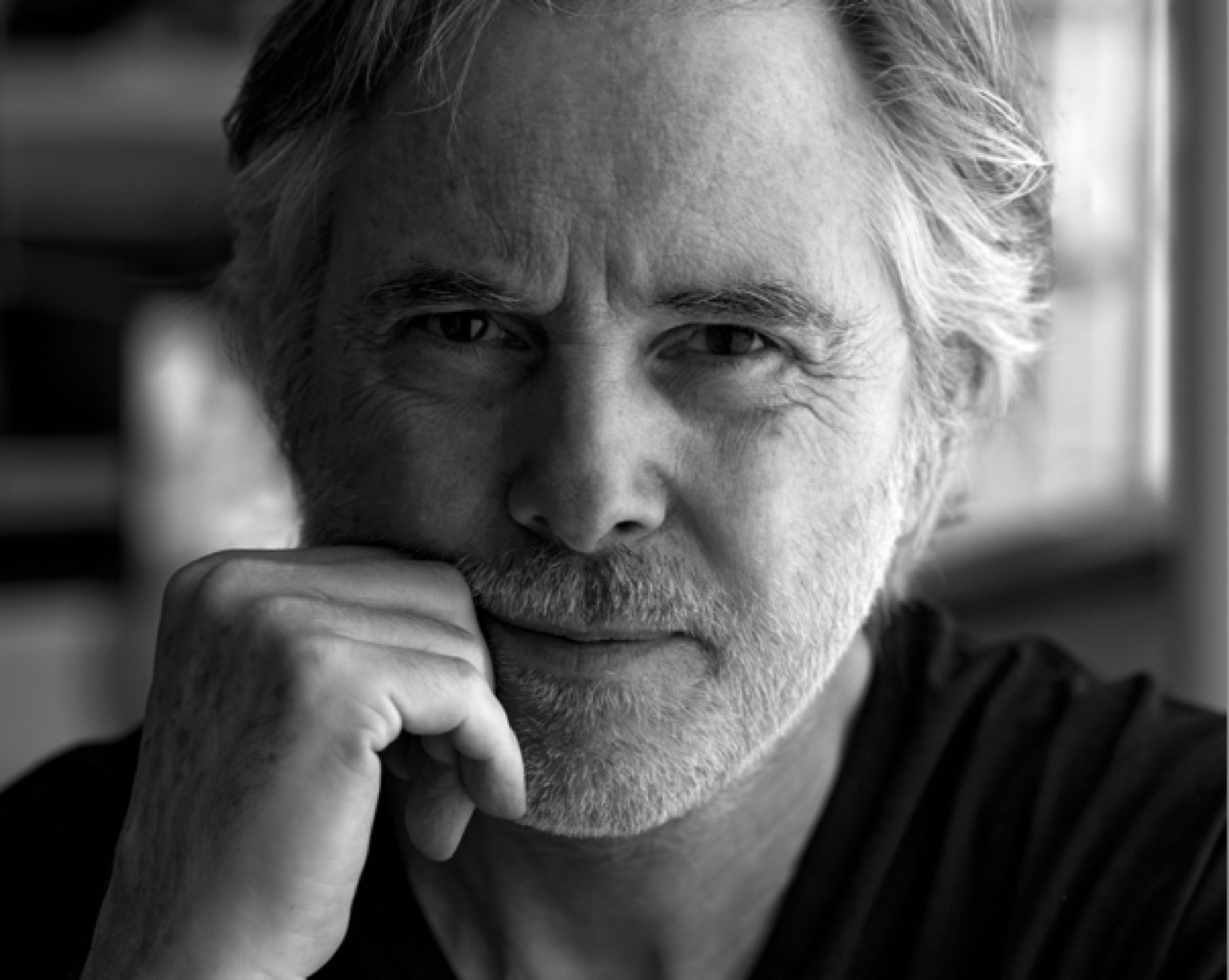
Olivier Lapidus is more than just a name in high fashion; he is a bridge between the golden era of Parisian couture and the rapid innovation of the 21st century. Having inherited a legendary DNA, he has spent his career redefining it—from the runways of Japan to the heart of Beijing. Today, he moves seamlessly between the worlds of design, art, and family creativity. In this conversation, we explore his journey from a child cutting fabric in his father’s atelier to an independent visionary who views fashion as a "cinema of life," where tradition and ecology pave the way for the future.
Оливье Лапидус — это не просто громкое имя в мире высокой моды; это связующее звено между золотым веком парижского кутюра и стремительными инновациями XXI века. Унаследовав легендарный творческий код, он посвятил карьеру его переосмыслению: от подиумов Японии до самого сердца Пекина. Сегодня он мастерски лавирует между дизайном, чистым искусством и семейным творчеством. В этой беседе мы проследим его путь — от ребенка, кроившего ткани в мастерской отца, до независимого визионера, который видит в моде «кино жизни», где традиции и экология прокладывают дорогу в будущее.
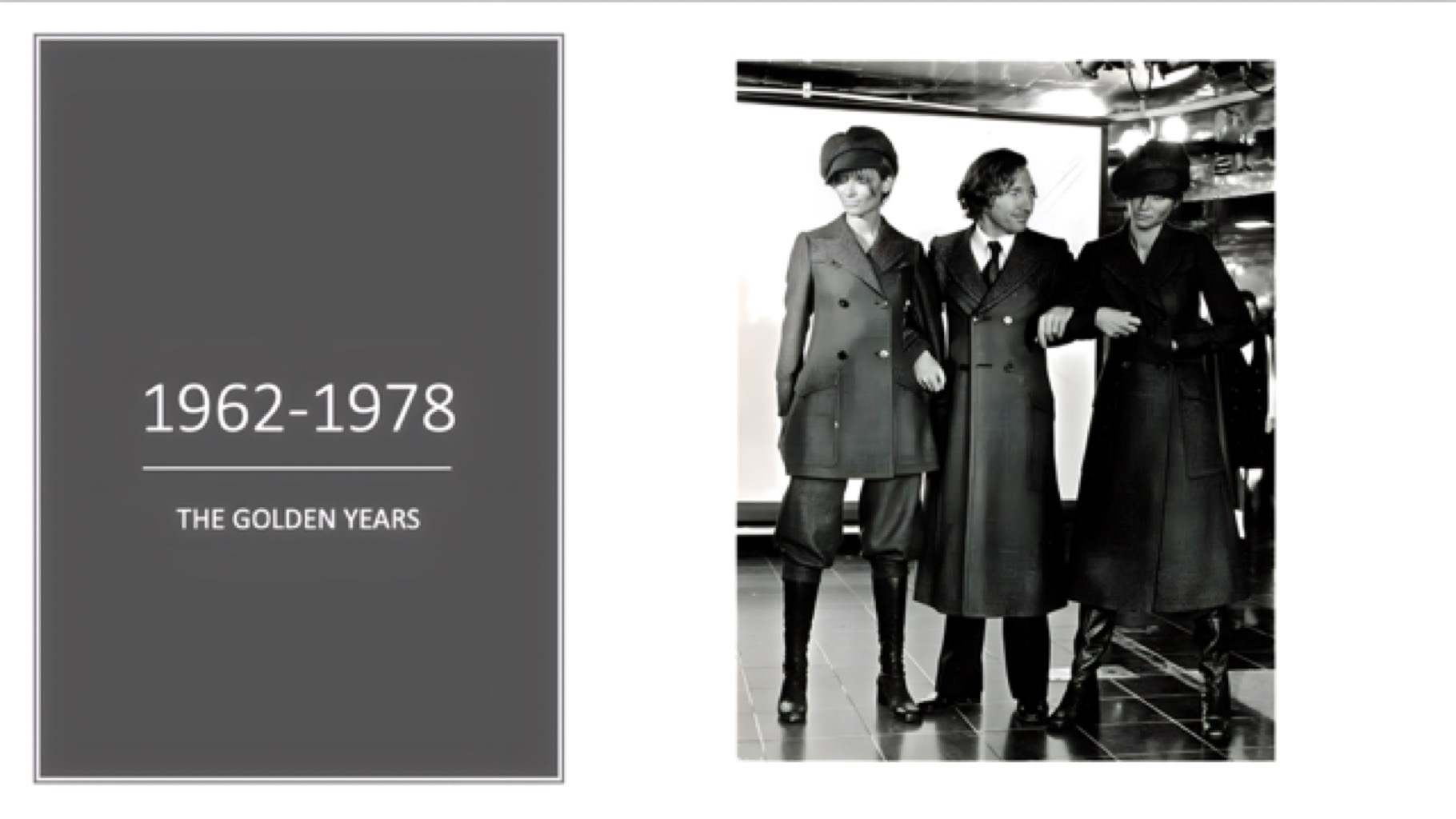
Born into a dynasty where cinema and couture intertwined, Olivier Lapidus grew up surrounded by creative excellence and artistic ambition. As the son of Véronique Zuber, actress and Miss France 1955, and Ted Lapidus, one of the most iconic designers of the 1970s, he inherited a legacy that shaped both his aesthetic vision and his cultural sensibility. His family history is also marked by his aunt Rose Met, founder of the Haute Couture house Torrente — a lineage deeply rooted in French elegance.
Рождённый в династии, где кино и высокая мода переплетаются, Оливье Лапидус вырос в атмосфере творческого совершенства и художественных амбиций. Сын Вероник Зюбер — актрисы и Мисс Франция 1955 года — и Теда Лапидуса, одного из самых знаковых дизайнеров 1970-х годов, он унаследовал корни, сформировавшие его эстетическое видение и культурную чувствительность. История его семьи также отмечена именем тёти Роз Мет — основательницы Дома высокой моды Torrente, что подчёркивает глубокую связь с французской элегантностью.
What was the experience like, stepping into the leadership of your father’s fashion house at such a young age?
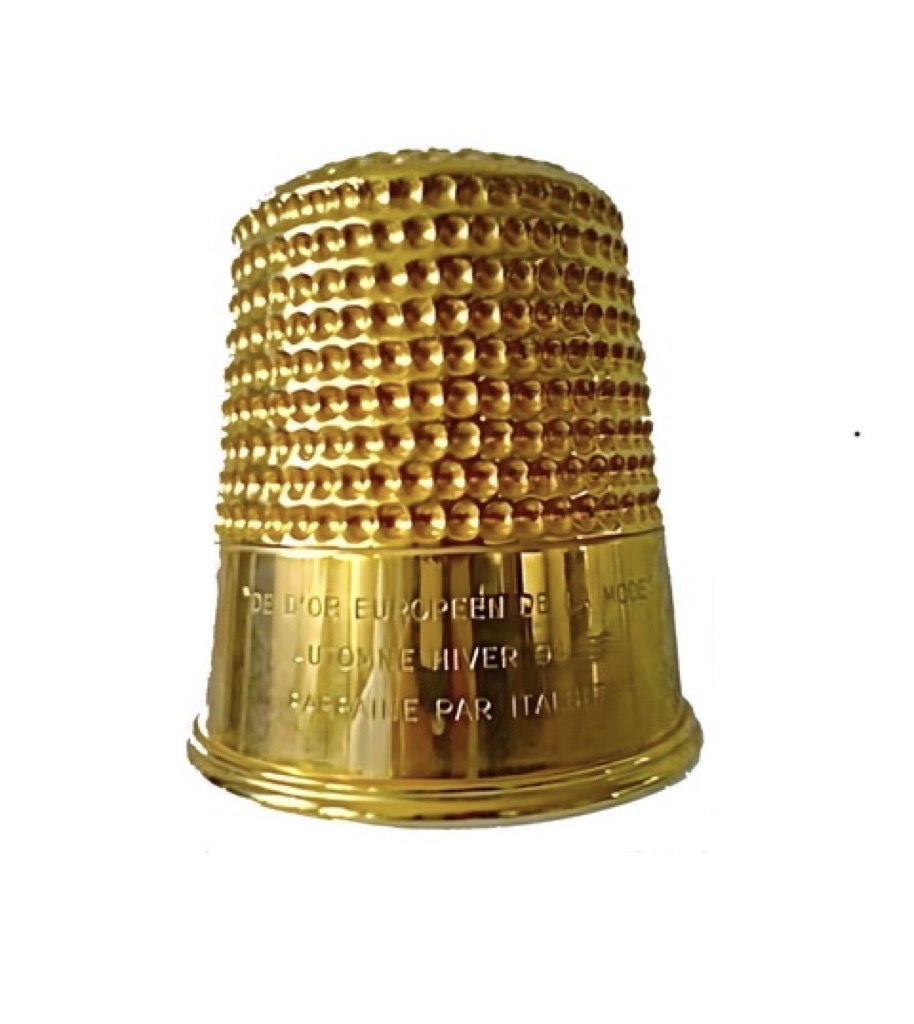
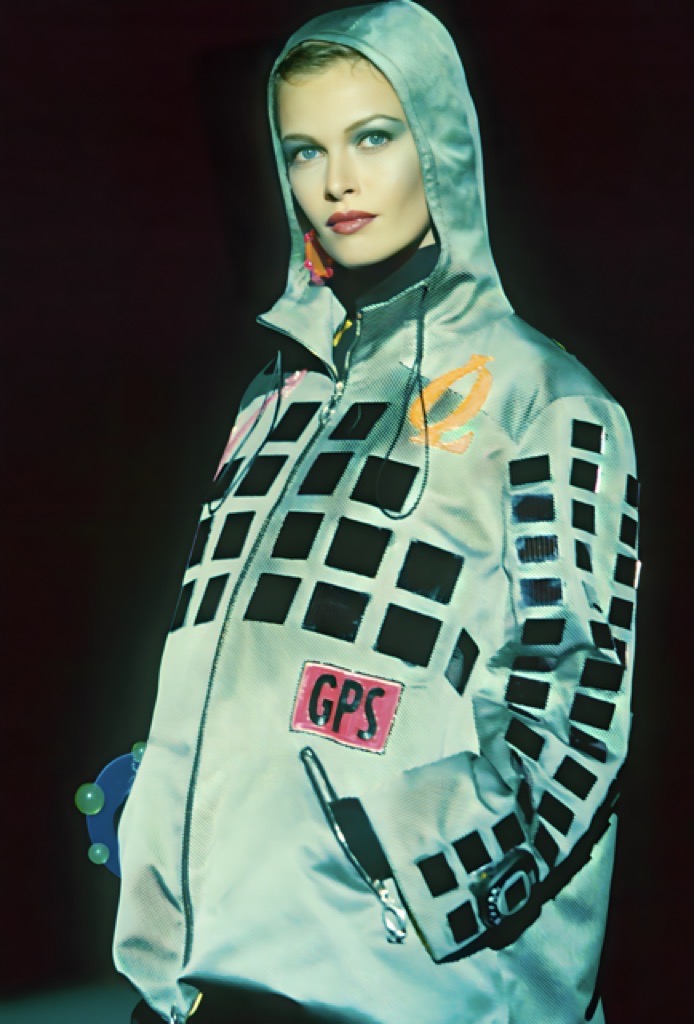
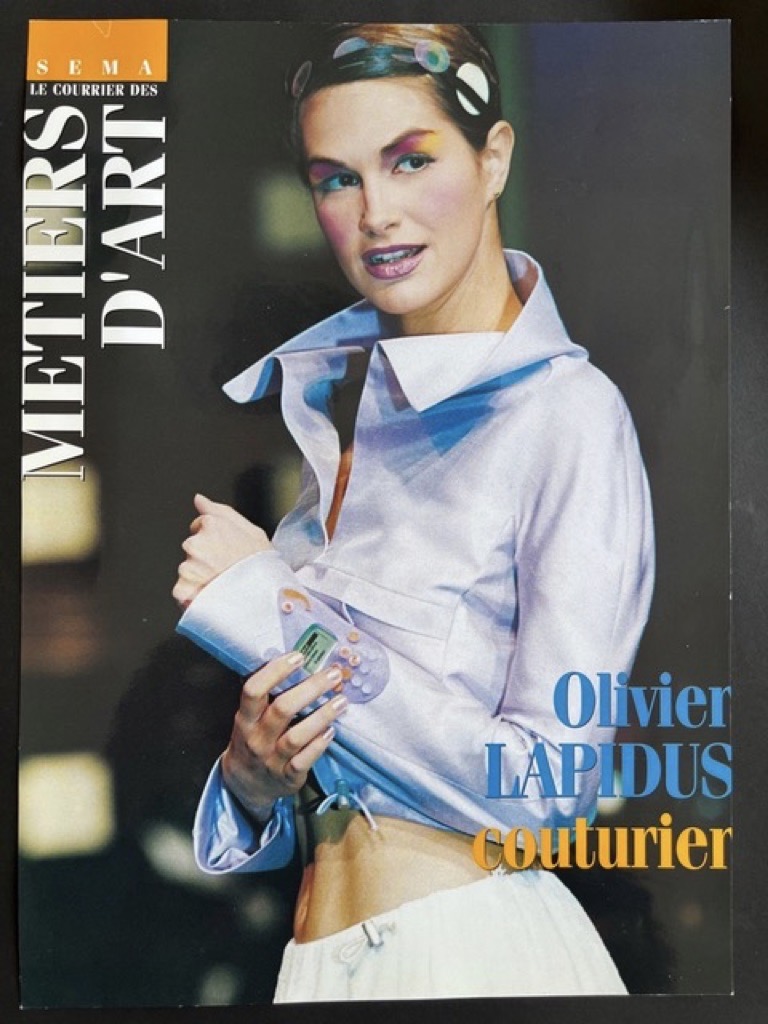
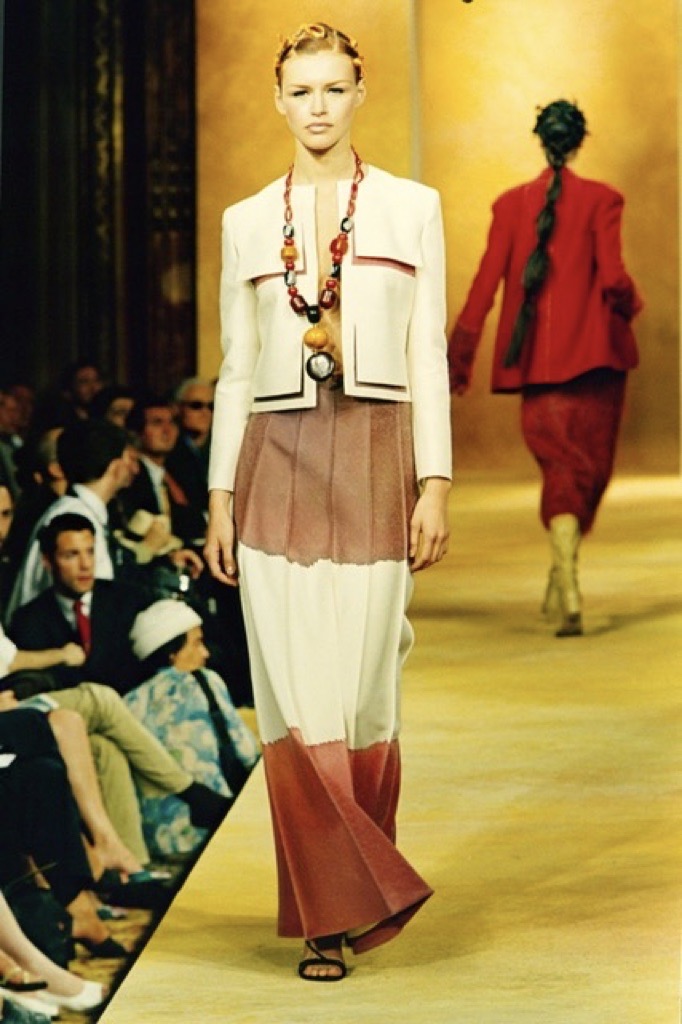
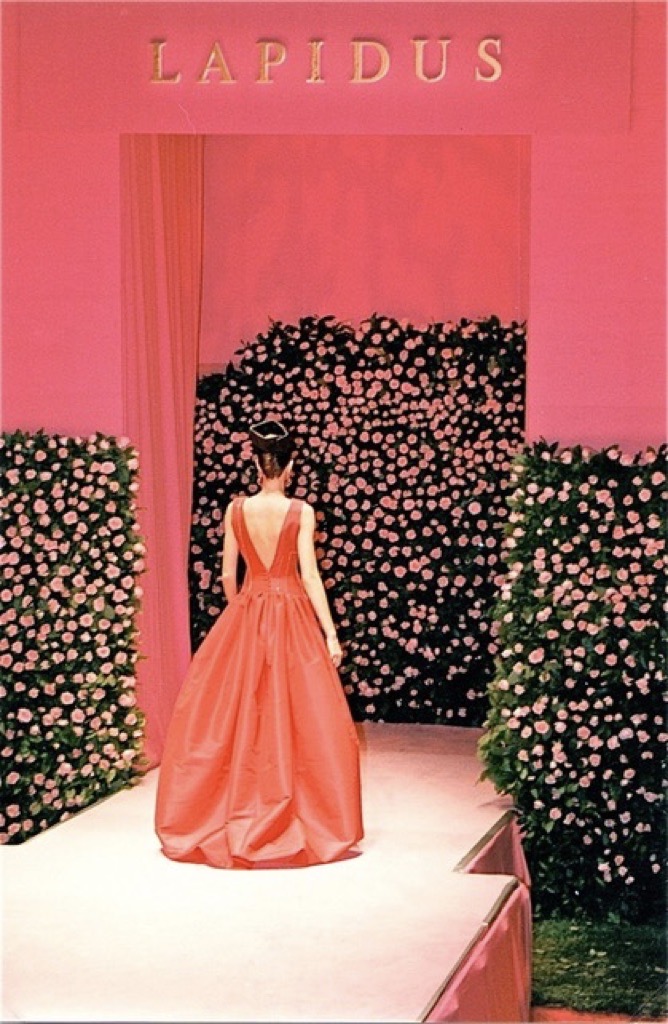
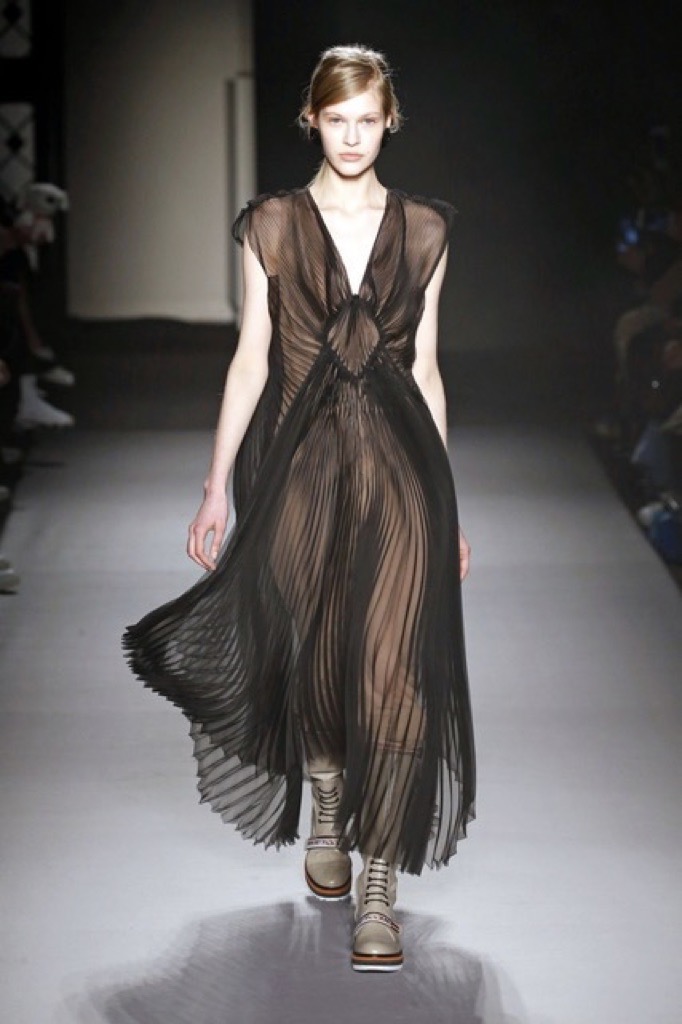
I officially entered the industry at twenty-four, right after finishing my studies at the Chambre Syndicale. I was incredibly driven; I remember staying late in the empty classrooms, practicing the technical gestures that were already instinctive to me. Even though I wasn't a natural illustrator, I graduated top of my class in design. Fashion felt like second nature—a path I followed almost effortlessly. Later, after a massive success in Japan where I built a network of 350 stores, I returned to the House of Lapidus. It was struggling at the time, but I brought a new energy. We went from having almost no press coverage to hosting 800 journalists and winning the Dé d’Or. By 2000, having reached the summit of what I could achieve there, I chose independence.
Каково это было — возглавить модный дом вашего отца в столь молодом возрасте?
Мой путь в моде начался в 24 года, сразу после выпуска из школы при Синдикате высокой моды. Я работал одержимо: помню, как оттачивал мастерство в пустых классах, когда все остальные были на каникулах. Дизайн давался мне как природный рефлекс — это была моя естественная среда. После масштабного опыта в Японии, где под моим именем открылось 350 бутиков, я вернулся в дом Lapidus, который тогда переживал упадок. Мне удалось вдохнуть в него жизнь: мы вернули внимание прессы и получили «Золотой напёрсток» — своего рода «Оскар» в мире кутюрье. В 2000 году, достигнув пика, я решил уйти в свободное плавание, стремясь к полной независимости.
You were raised at the intersection of high fashion and the silver screen. How did this environment mold your aesthetic?
My creative vision was primarily shaped by my mother, Miss France 1955. Her world blended the glamour of cinema with the precision of couture. My parents actually met because of a coat; my father, with a couturier’s instinct, recognized the quality of the wool she was wearing. My childhood was a mix of these two spheres: the "cinema of life" and the craftsmanship of the atelier. Even as a toddler, I was playing with fabric scraps in my father's workshop. I learned early on that fashion and film are mirrors of one another—one tells the story, while the other provides the visual language.
Вы выросли в окружении кино и высокой моды. Как эта атмосфера повлияла на ваше художественное видение?
Моё восприятие мира сформировала мать. Она была «Мисс Франция 1955», и её жизнь была неразрывно связана с кино и стилем. История моих родителей началась со случайной встречи, когда отец, будучи профессионалом до мозга костей, оценил ткань её пальто. Моё детство прошло между двумя мирами: кинематографом и «кино жизни» в ателье отца. Уже в три года я вовсю возился с тканями в мастерской. Для меня мода и кино всегда были единым целым: кино дает моде сюжет, а мода превращает жизнь в красивый кадр.
Do you believe that your global experiences shifted your perception of the fashion world?
Working abroad is deeply transformative—it changes how you view not just clothes, but humanity itself. My father always advised seeing oneself through the eyes of others. While travel certainly influences my style, what stays with me most are the human connections rather than the business metrics. I’ve always preferred people over objects. Stepping out of my comfort zone and immersing myself in different cultures has allowed me to develop a unique, multifaceted creative language.
Считаете ли вы, что работа за рубежом изменила ваш взгляд на моду?
Безусловно, международный опыт меняет всё: от восприятия индустрии до понимания человеческой природы. Отец учил меня смотреть на себя со стороны, глазами других людей. Для меня путешествия — это прежде всего встречи, а не коллекции или экономические показатели. Меня всегда больше интересовали люди, чем вещи. В стилистическом плане погружение в разные культуры помогло мне сформировать собственный язык, ведь я никогда не боялся покидать зону комфорта ради столкновения с новой реальностью.
When you launched your independent career in 2000, what were your primary creative goals?
By the late 90s, I felt a growing connection with Asia, particularly China. I was eventually invited to show my collection in Beijing, which led to a fascinating project: designing uniforms for Air China. Those designs are still in use today, which is a rare feat of longevity. Living and working in Beijing felt like witnessing a tectonic shift; I could feel the country's incredible industrial momentum. To me, China always feels like it’s at the dawn of something new, whereas Europe often feels like it's reaching the end of an era.
К чему вы стремились в творческом плане, когда обрели независимость в 2000 году?
В конце 90-х я заметил интерес к моей работе со стороны Китая. Это привело к тому, что я представил свою коллекцию в Пекине и даже разработал форму для Air China, которая используется до сих пор. Находясь там, я ощущал колоссальные изменения, происходящие в стране, её невероятное ускорение. Китай для меня — это место, где всё всегда только начинается, в то время как Европа часто кажется регионом, где что-то подходит к завершению.
What did your early days at Balmain Homme teach you about the heritage of Parisian couture?
Balmain was the perfect training ground—it represented a classical balance and peak professionalism. Working in their ateliers was comparable to being on a Formula One team; it was all about extreme precision and high-level performance. In France, haute couture is like the elite tier of racing: only a few can compete at that level, but their influence dictates the standards for the entire industry. It was an experimental and demanding environment that fascinated me from the start.
Ваш дебют в Balmain Homme стал важной вехой. Чему вас научила работа с таким мощным парижским наследием?
Balmain стал для меня идеальной школой классики и гармонии. Работа в их ателье напоминала участие в гонках «Формулы-1» — тот же уровень точности и мастерства. Высокая мода во Франции — это мир избранных, который задает тон всей индустрии. Меня всегда завораживала эта возможность работать на грани эксперимента в окружении лучших профессионалов своего дела.
What sparks your optimism about the future of this industry, and what causes you the most concern?
I am thrilled to see a new generation embracing the craft. They seem to intuitively grasp the bridge between ancient savoir-faire—like embroidery and lacework—and modern technology. It proves that the past and future are always intertwined. While they are digital natives, they still crave the tactile reality of silk, linen, and the scent of an atelier. What worries them, and me, is the environment. However, I see this "ecological fear" as a positive catalyst. It is pushing fashion toward a necessary evolution where sustainability becomes the creator’s most vital partner.
Что в будущем индустрии моды вас вдохновляет, а что, напротив, внушает тревогу?
Меня радует новое поколение талантов. Они понимают мой посыл: можно сочетать инновации с древними ремеслами. Эти молодые люди увлечены вышивкой и перьями так же сильно, как своими смартфонами. Это доказывает, что прошлое всегда питает будущее. Несмотря на цифровизацию, живой интерес к рисунку, ткани и атмосфере мастерских никуда не исчез. Да, у молодежи есть страх перед экологическим кризисом, но я считаю этот страх спасительным. Он заставляет моду меняться, превращая экологию в главного союзника творчества.
How has your perception of success evolved from your early days to who you are today?
Early in my career, my work was often a reaction to my surroundings—my family legacy and my father’s shadow. Today, I’ve moved from "reaction" to "action." As Nietzsche suggested, I am becoming who I am. To me, true success now is the freedom to choose my own direction and to merge the artist with the designer. I find it stimulating to balance the curiosity of a twelve-year-old with the experience of a sixty-year-old, constantly shifting between the two. Success today is not just about a brand; it’s about the transition into pure art and sculpture.
Как изменилось ваше понимание успеха с начала карьеры и до сегодняшнего дня?
В начале пути мои действия были скорее реакцией на внешние обстоятельства: на авторитет отца и семейные традиции. Сейчас же на смену «реакции» пришло осознанное «действие». По Ницше, я просто «становлюсь тем, кто я есть». Сегодня успех для меня — это прежде всего свобода выбора и возможность развиваться в искусстве и скульптуре. Это удивительное состояние, когда в тебе одновременно живут двенадцатилетний подросток и шестидесятилетний мастер, дополняя друг друга.
Could you share what you are currently working on and which projects hold the most meaning for you?
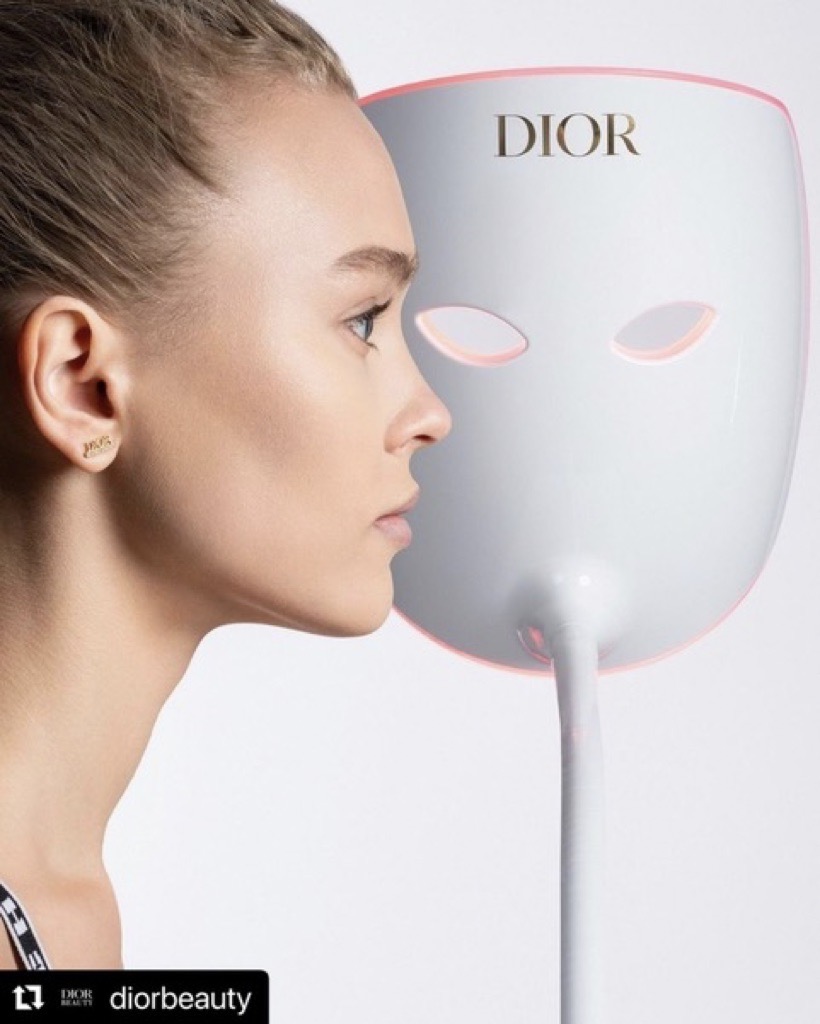
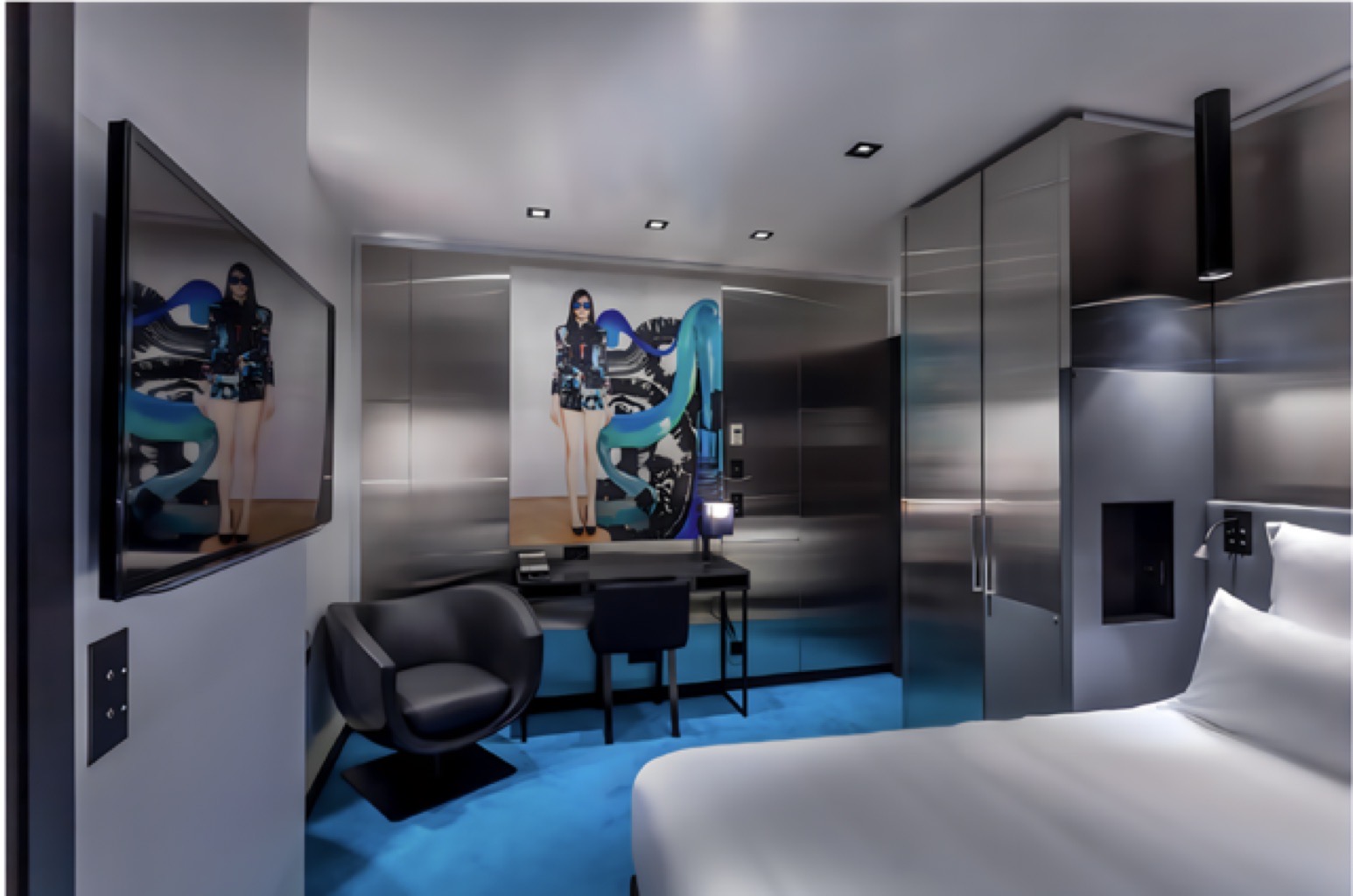
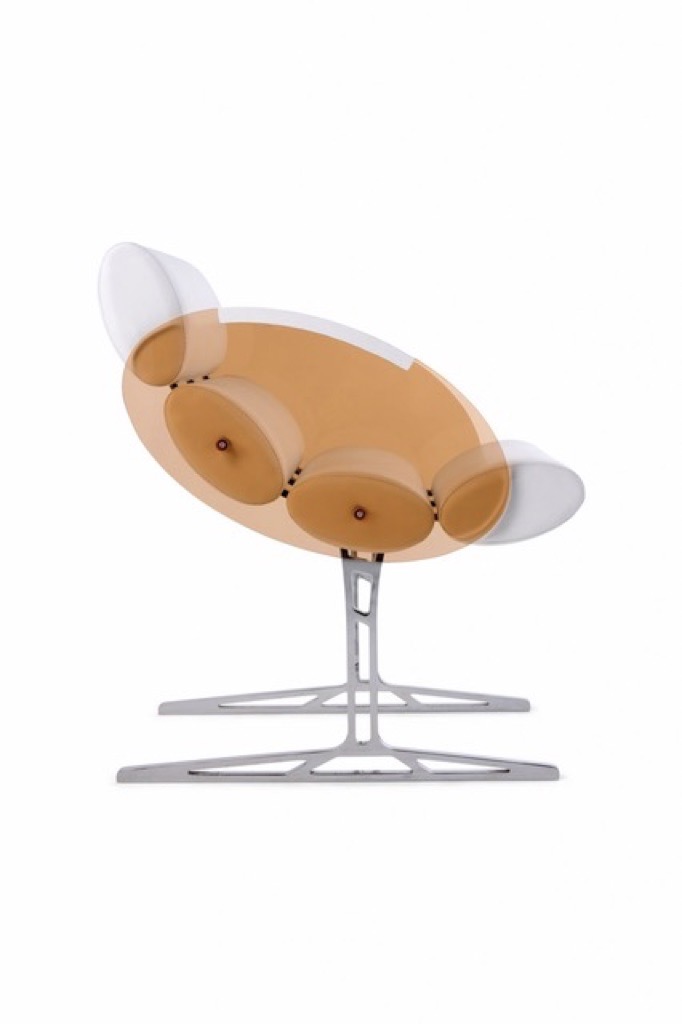
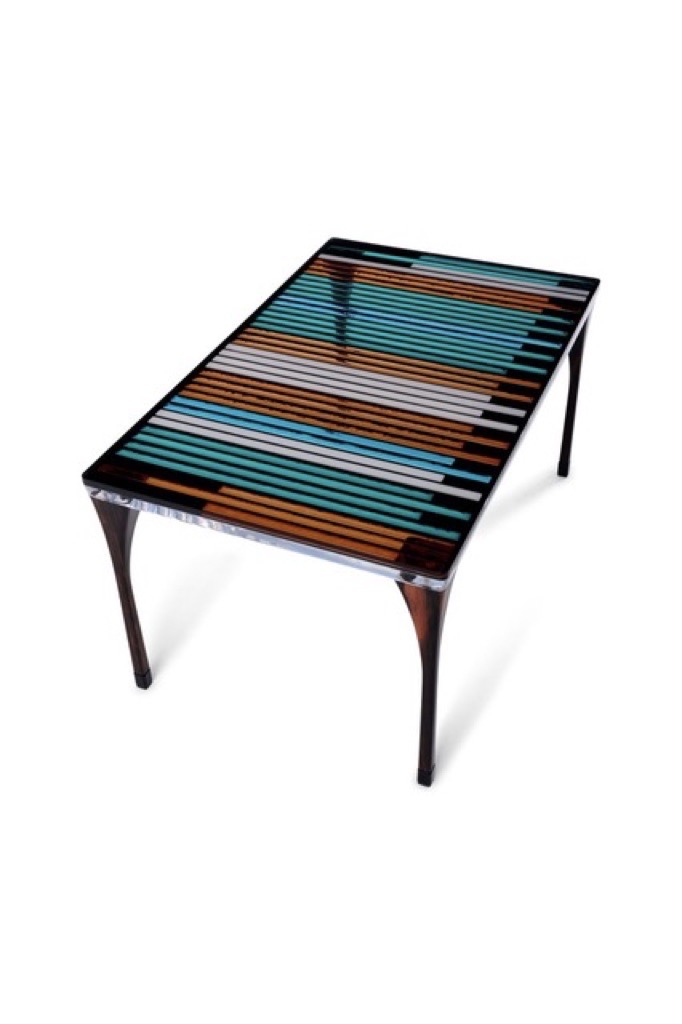
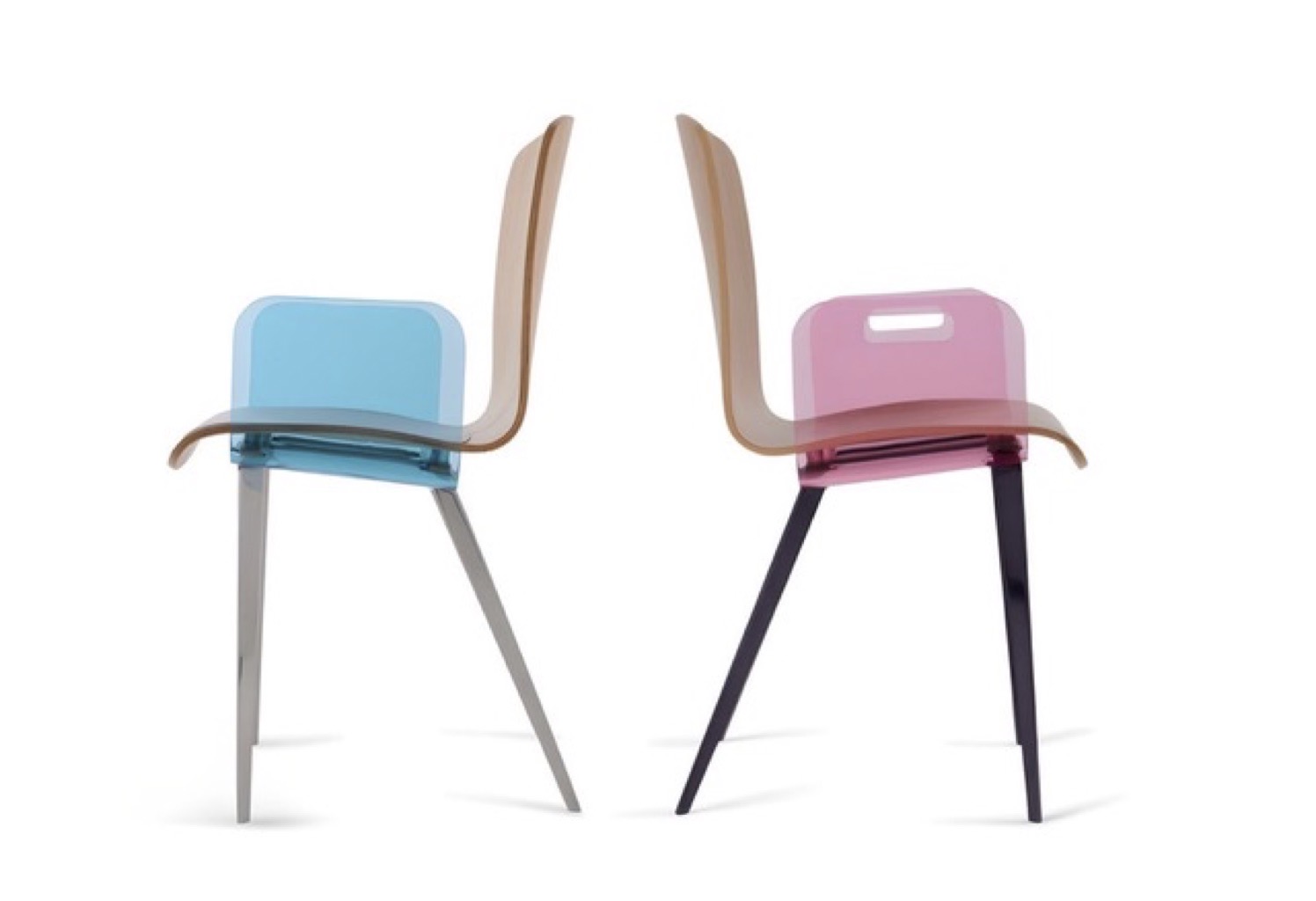
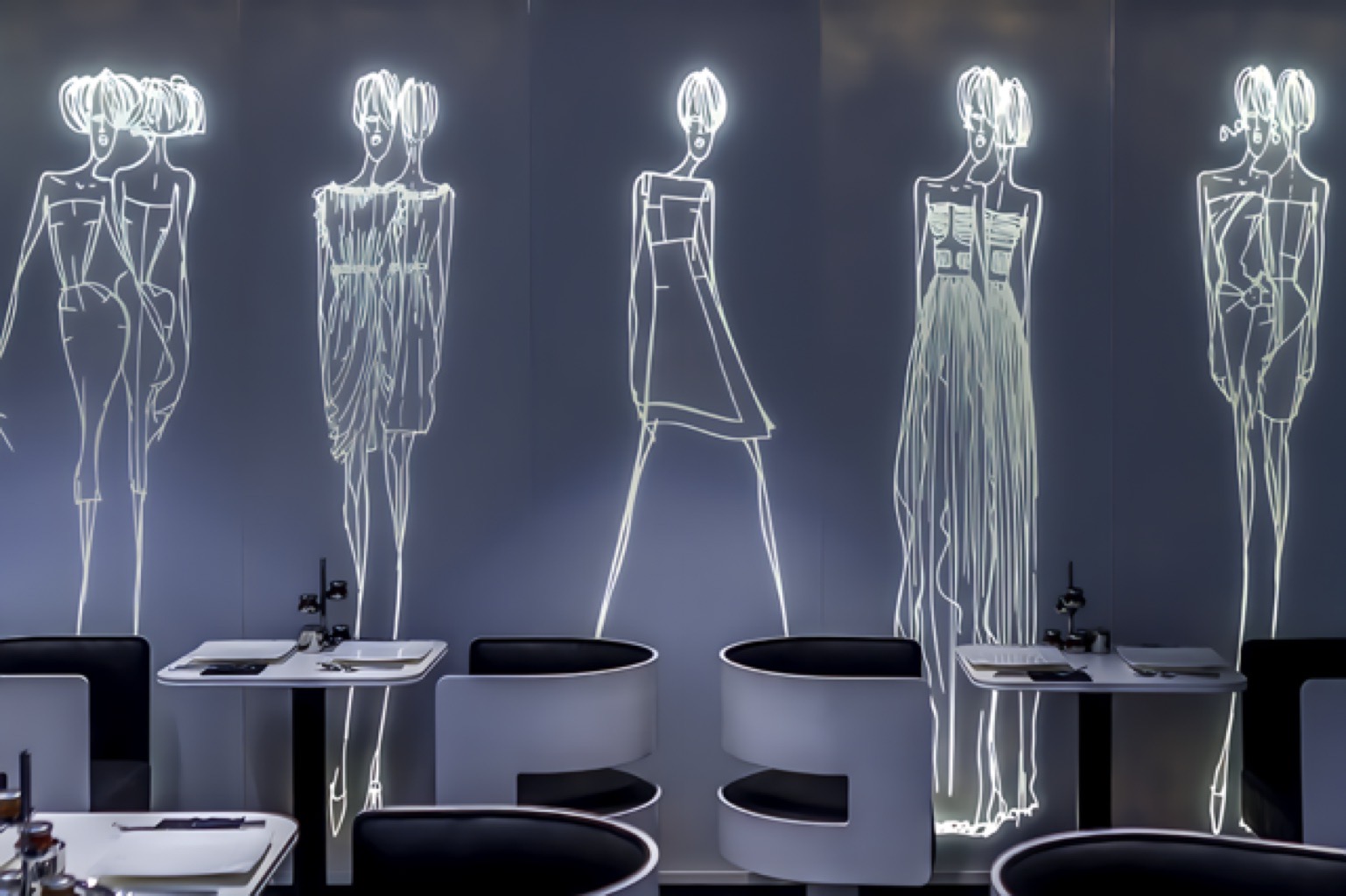
My work today is incredibly diverse. Just recently, I was asked to design a hotel bar in Annecy; next week, I’m developing a revolutionary chair and a line of beauty masks. I’m also preparing a book and a furniture collection, while a major gallery has approached me regarding my artworks. But perhaps most importantly, creativity thrives at home. My daughters are working on poetry and film, and my wife, Yara, is recording a new album. Sharing this creative life with my family, staying curious, and remaining independent—that is what truly matters to me now.
Над чем вы работаете сейчас и какие из текущих проектов для вас наиболее значимы?
Моя повестка сейчас крайне разнообразна: от дизайна интерьеров отеля в Анси до создания инновационных кресел и косметических масок. Я готовлю к изданию книгу и коллекцию мебели, а также сотрудничаю с галереей по поводу своих арт-объектов. Но самое ценное происходит в кругу семьи. Мои дочери занимаются поэзией и кино, а жена, Яра, записывает новый альбом после сотрудничества с Игги Попом и Чико Сезаром. Жить в окружении художников, делить страсть к творчеству с близкими и сохранять свободу — вот что для меня важнее всего.
Photocredit - Olivier Lapidus
-
 Click to open image!
Click to open image!
Click to open image!
-
Click to open image!
Click to open image!
-
Click to open image!
Click to open image!
-
Click to open image!
Click to open image!
-
Click to open image!
Click to open image!
-
Click to open image!
Click to open image!
-
Click to open image!
Click to open image!
-
Click to open image!
Click to open image!
-
Click to open image!
Click to open image!
-
Click to open image!
Click to open image!
-
Click to open image!
Click to open image!
-
Click to open image!
Click to open image!
-
Click to open image!
Click to open image!
-
Click to open image!
Click to open image!
-
Click to open image!
Click to open image!
-
Click to open image!
Click to open image!
-
Click to open image!
Click to open image!
-
Click to open image!
Click to open image!
-
Click to open image!
Click to open image!
-
Click to open image!
Click to open image!

https://www.styleofeurasia.com/interview/item/3965-interview-olivier-lapidus#sigProGalleria8f0edae9b0
Related items
- Alla Kazanina: Transformation Begins with the Right System
- Interview: David Duarte
- GameFest 2026: The Language of Transformation Through Play — A Joint Interview with Olga Pelekhova-Lozhier and Natalia Deryabina
- Interview: Alexandre Vassiliev
- Majida Khattari: Between Cultures, Bodies, and the Poetics of Cloth


