

La Chine des Tang
La Chine des Tang
The Tang Dynasty – A Cosmopolitan Empire (7th–10th century)
by Claude Lisbona
Tang — космополитическая династия (VII–X вв.)
Musée Guimet, Paris (France)
Музей Гиме, Париж (Франция)
The drums echo through Chang’an (meaning “Eternal Peace”), the capital of the Chinese Tang dynasty (618–907). Over a million inhabitants—making it the most densely populated city of its time—awaken and begin their daily activities in this urban and spiritual metropolis. Its layout would later inspire the cities of Silla in Korea and Heian in Japan.
По улицам Чанъаня (в переводе — «Долгий мир»), столицы китайской династии Тан (618–907), раздаются удары барабанов. Более миллиона жителей — крупнейший мегаполис своего времени — просыпаются и отправляются по своим делам. Городская и религиозная структура столицы позже станет образцом для Силла в Корее и Хэйан в Японии.
Less known than the Ming dynasty, the Tang, who succeeded the Sui dynasty (581–618), brought internal peace and restructured the state. On these solid foundations—which shaped the country for over a millennium—China prospered and became a model for others.
Менее известная, чем династия Мин, династия Тан, пришедшая на смену династии Суй (581–618), восстановила внутренний порядок и провела государственные реформы. На этих основах, оказавших влияние на страну на протяжении более тысячи лет, Китай расцвёл и стал образцом для других цивилизаций.
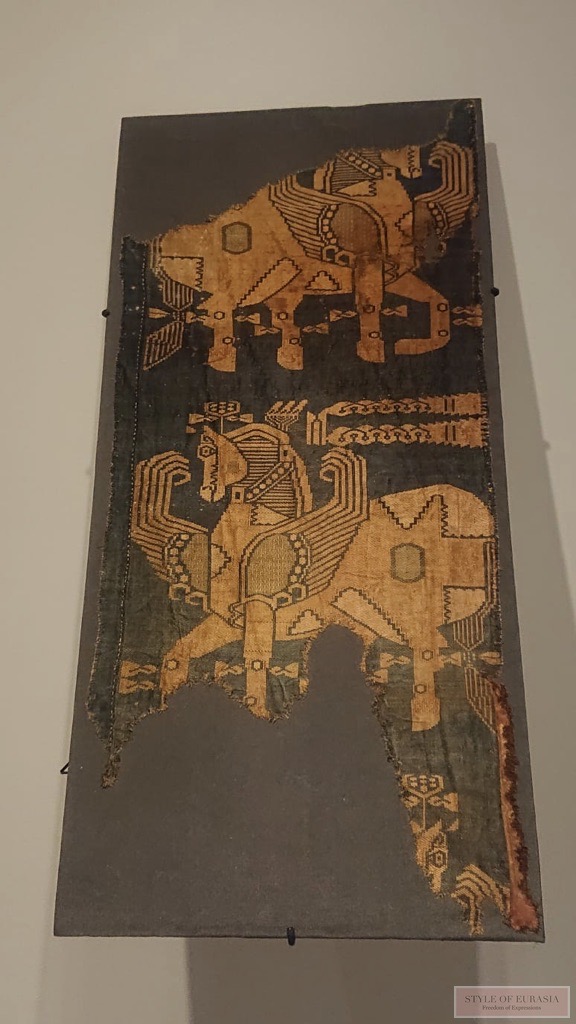
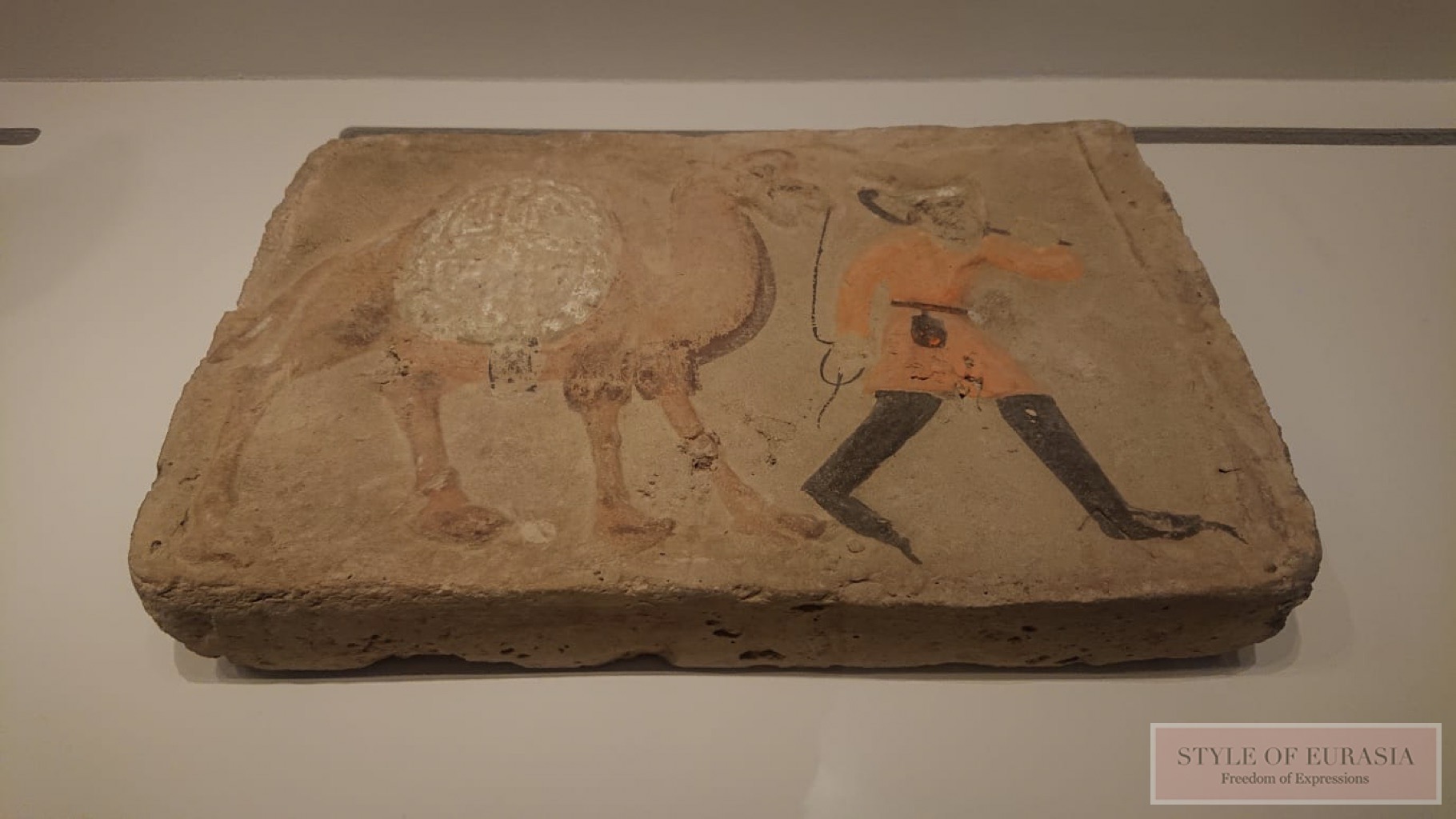
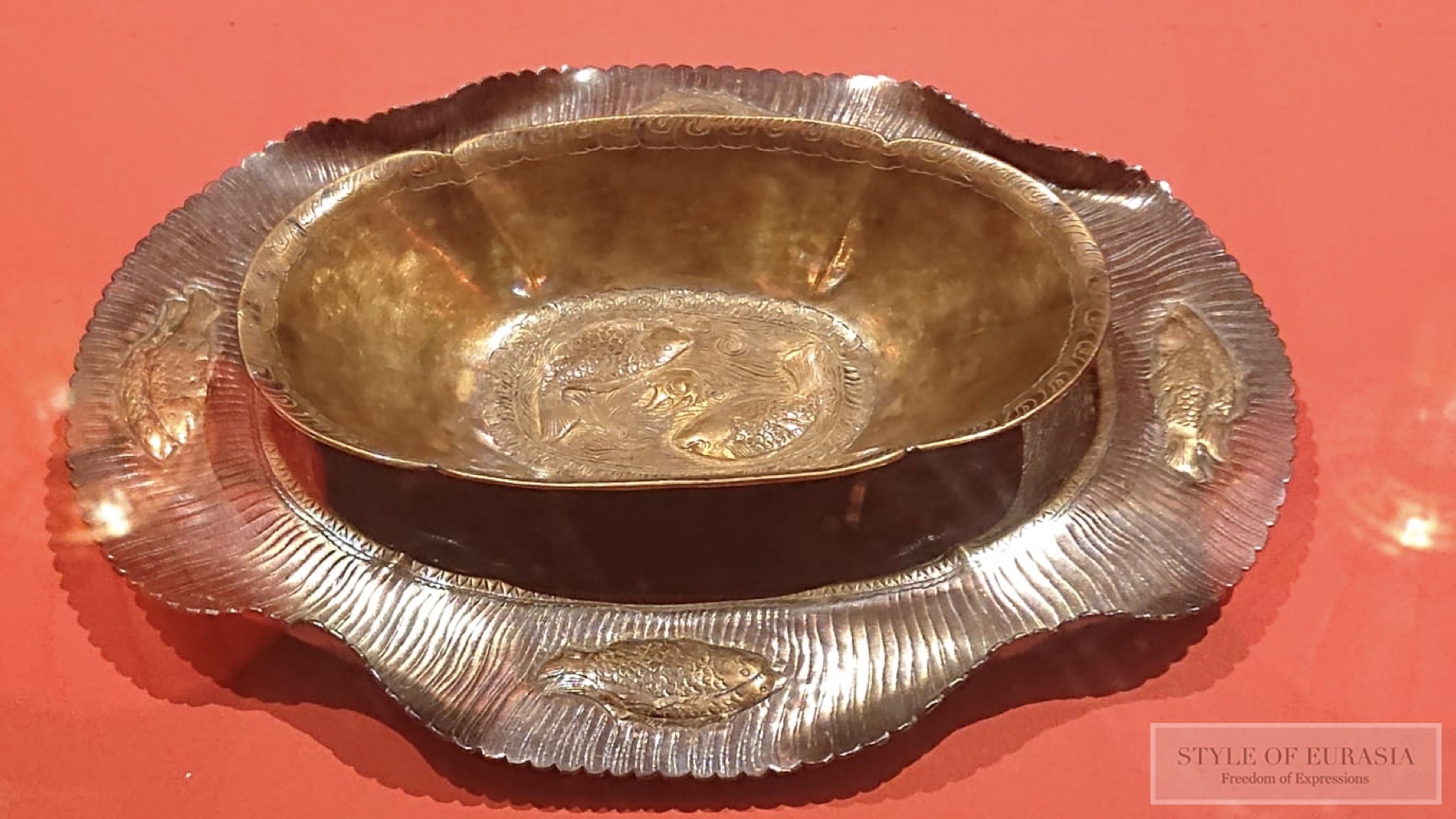
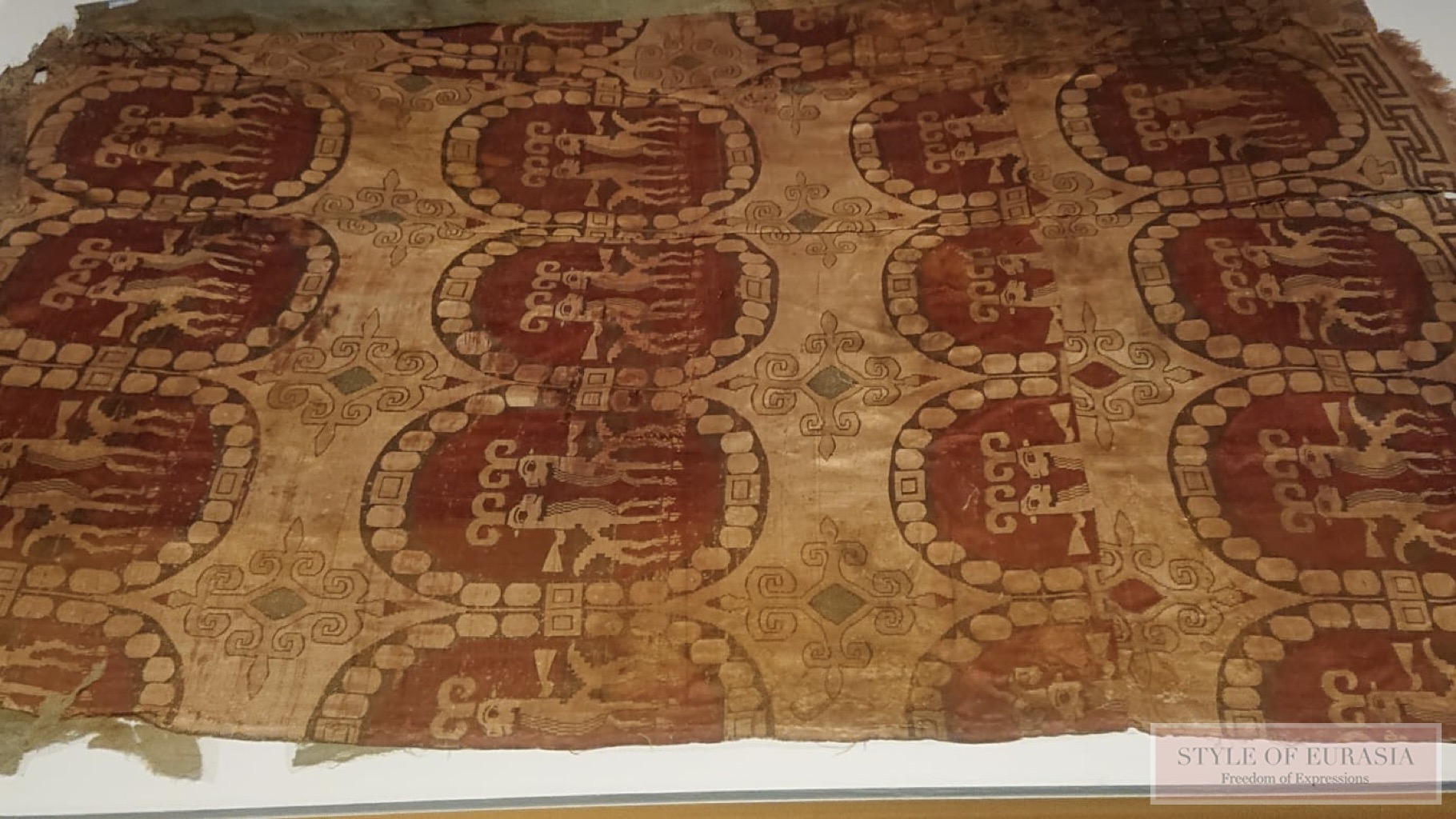
As a vital crossroads of the Silk Roads, the Tang capital hosted two major markets: the western market served as a hub for imported luxury goods from the Byzantine and Sassanid worlds (glass), South Asia (ivory), and Afghanistan (lapis lazuli), while the eastern market specialized in local products and crafts. These markets boosted both trade and artistic expression, and fostered the spread of religious thought—Confucianism, Buddhism, and Taoism.
Будучи важнейшим перекрёстком Великого шёлкового пути, столица Тан включала два крупных рынка. Западный — центр импорта драгоценных товаров из Византии и Сасанидского Ирана (стекло), Южной Азии (слоновая кость), Афганистана (лазурит). Восточный предлагал местную продукцию и ремесленные изделия. Эти рынки способствовали как развитию торговли и искусства, так и распространению религиозных учений — конфуцианства, буддизма и даосизма.
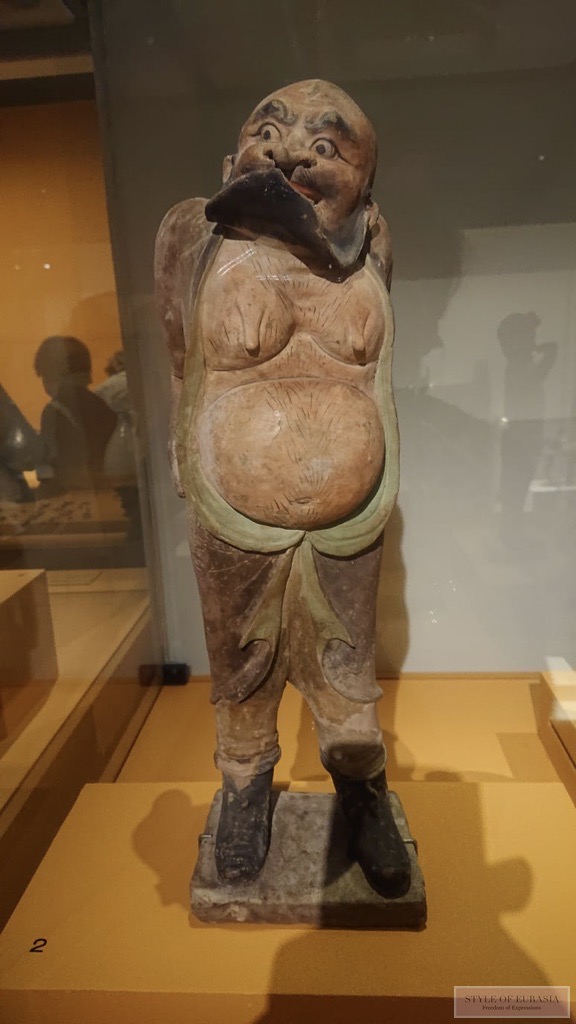
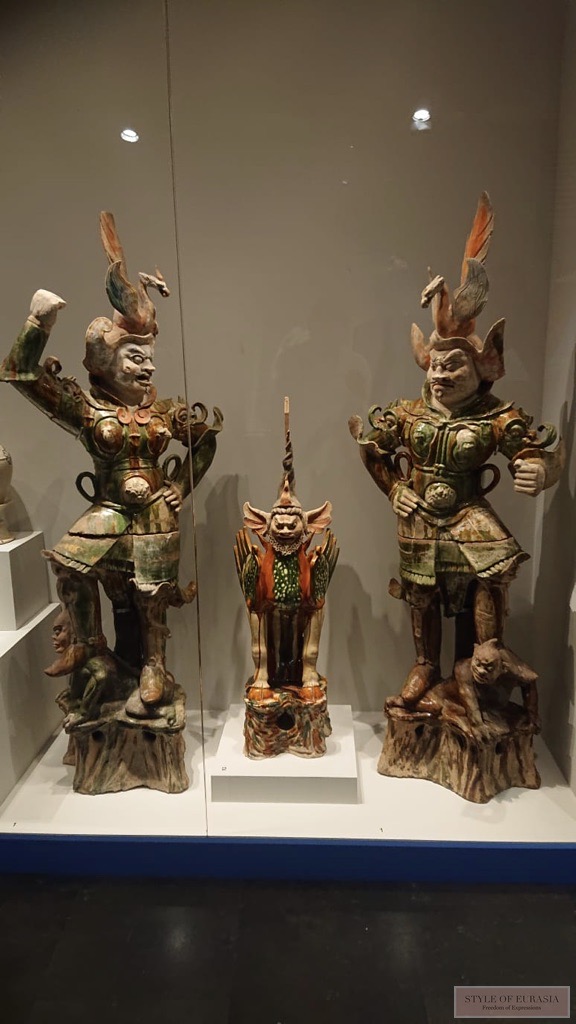
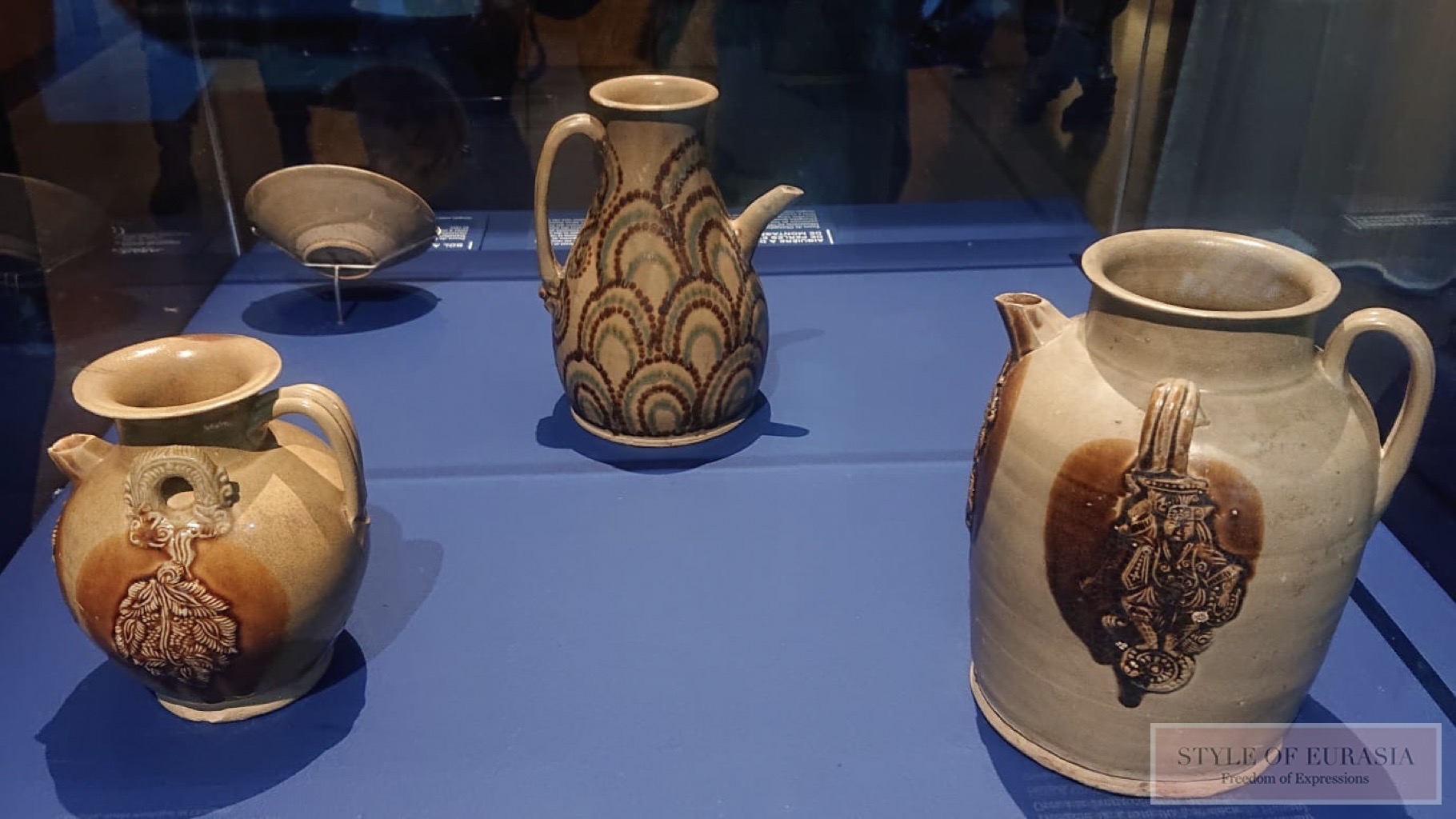
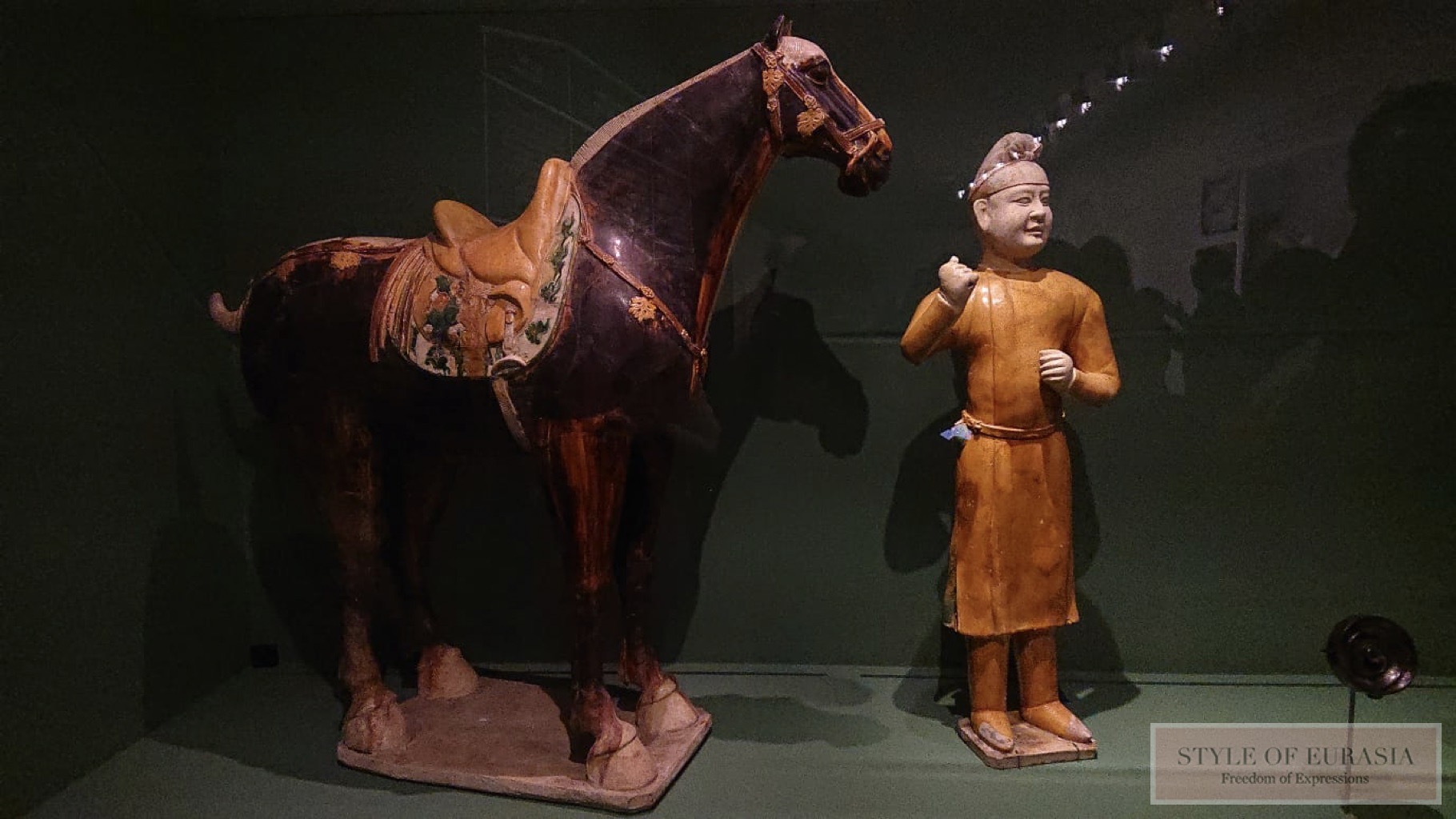
Maritime trade routes also expanded during this period, reaching across Asia and extending through the Indian Ocean to the Persian Gulf. Particularly prized were ceramics from Changsha and Gongyi (notably blue-and-white wares), as well as from Xin, Ding, and Yue kilns (celadon glazes). Persian and Arab merchants settled in major port cities—a figurine from General Mu Tai’s (660–729) tomb even shows a foreigner in leopard-pattern trousers.
Морские торговые пути также активно развивались: они охватывали всю Азию, проходили через Индийский океан и доходили до Персидского залива. Особенно ценились керамические изделия из Чанша и Гуньи (в том числе сине-белые), а также из печей Синь, Дин и Юэ (селадоны). В крупнейших портах оседали персидские и арабские купцы — об этом свидетельствует статуэтка из гробницы генерала Му Тай (660–729), изображающая иностранца в штанах с леопардовым узором.
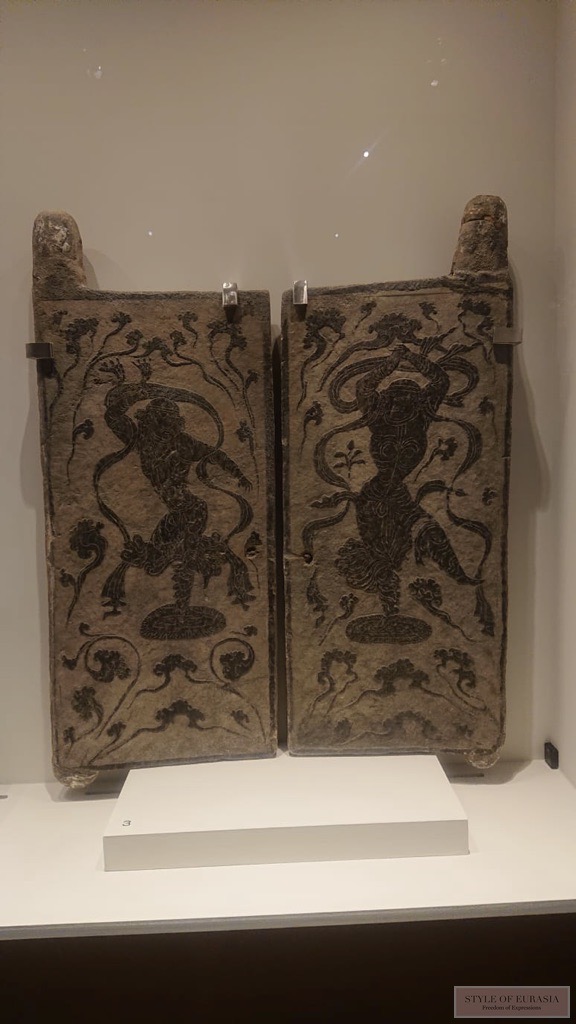
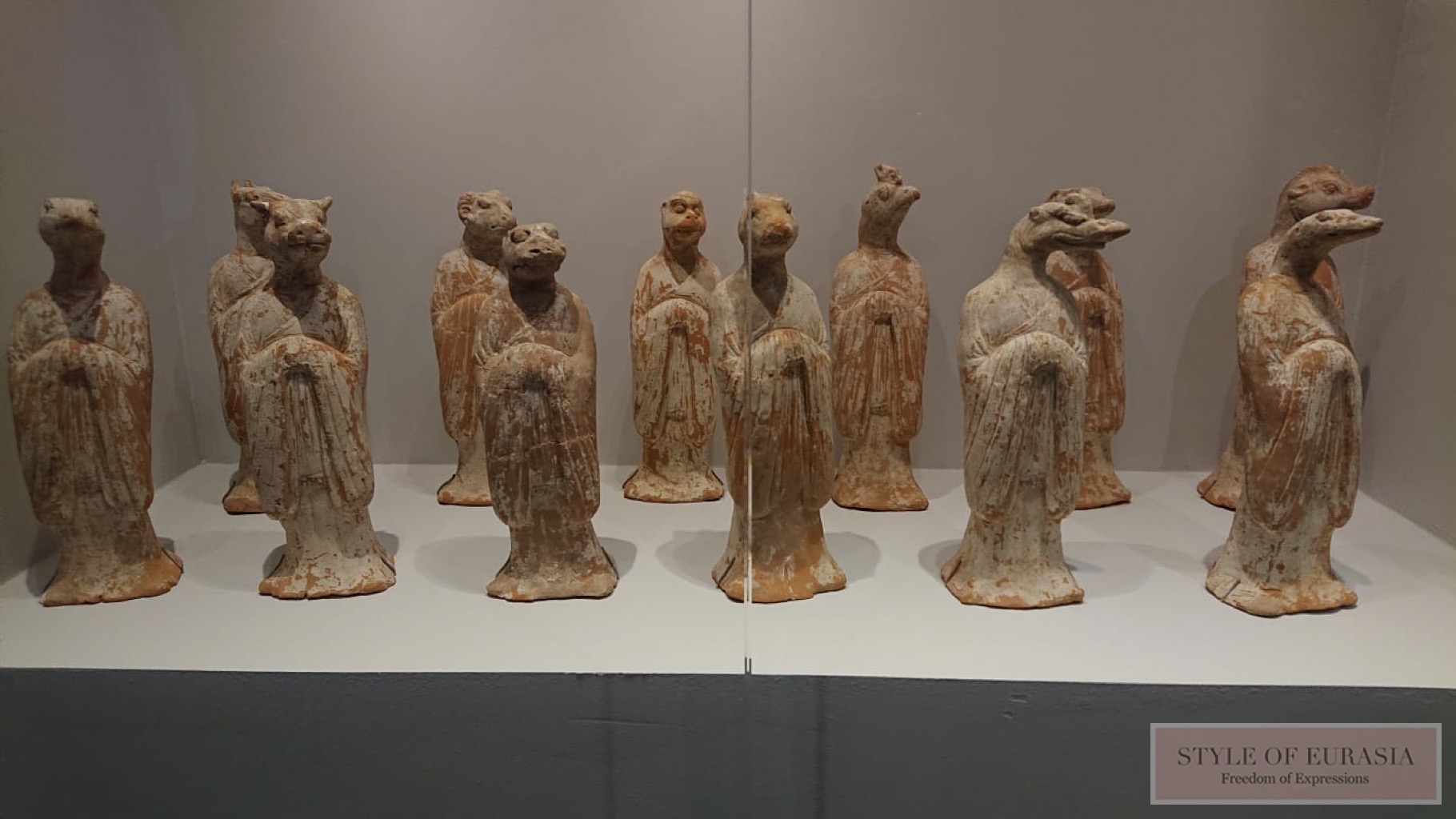
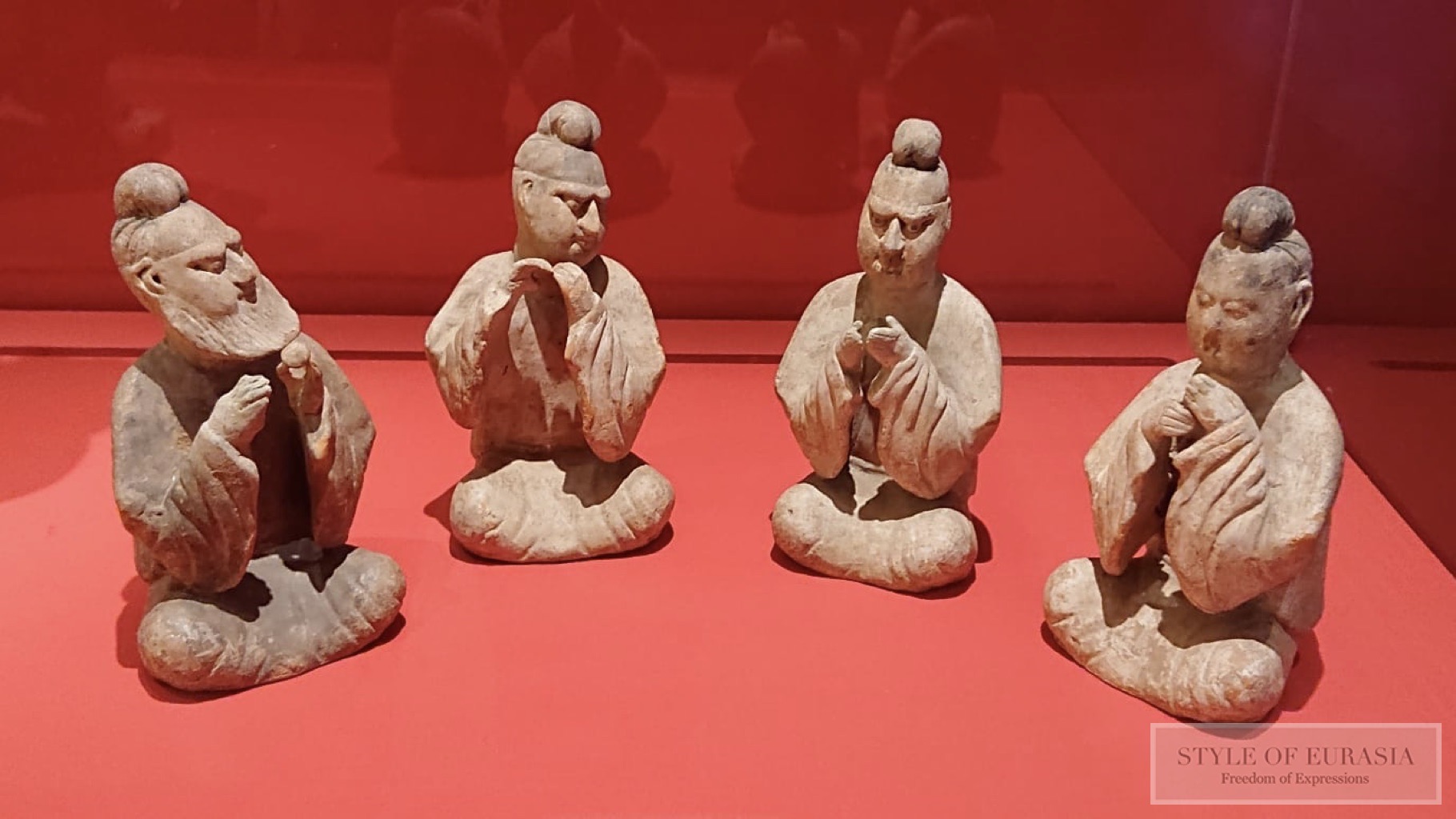
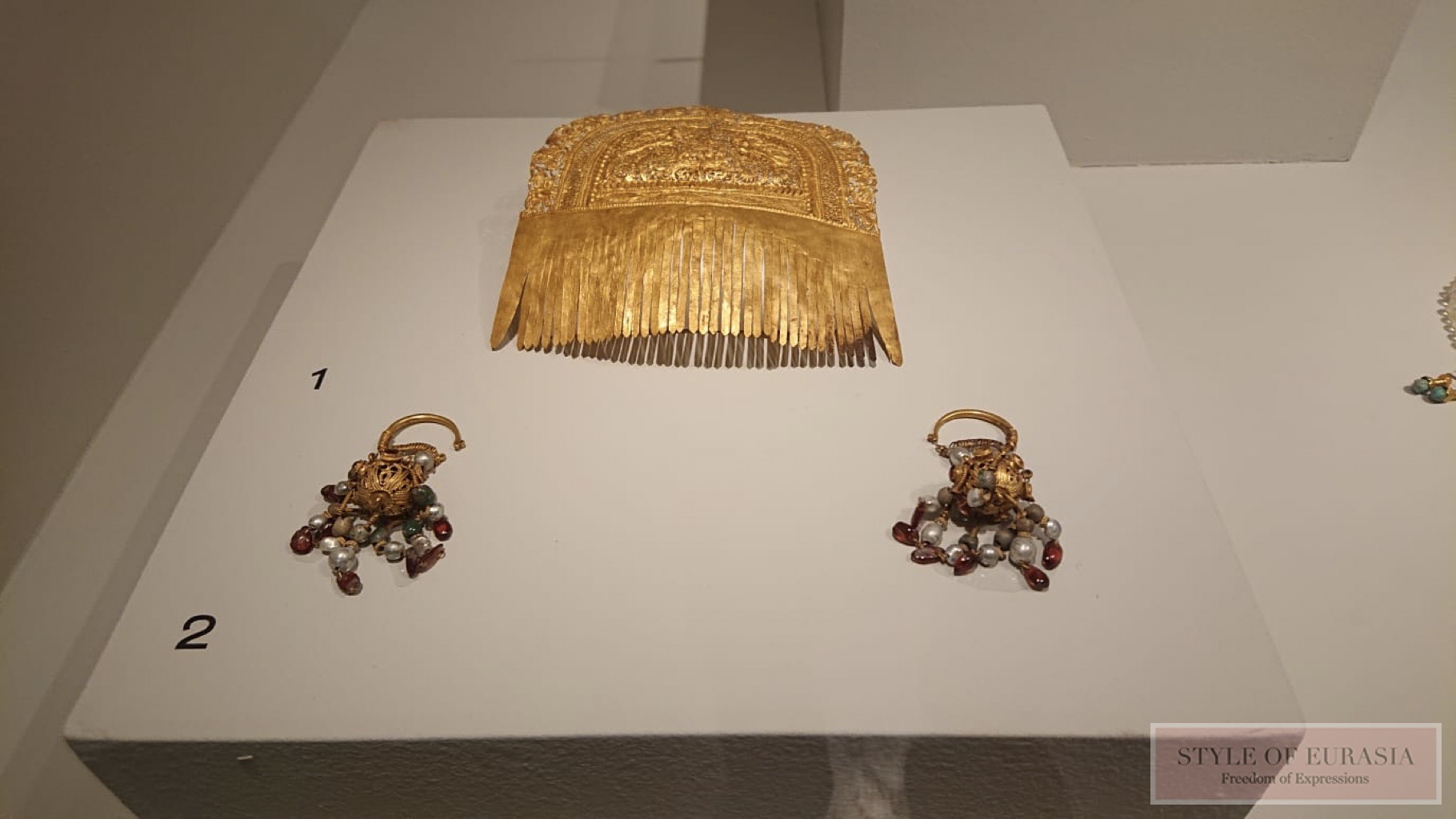
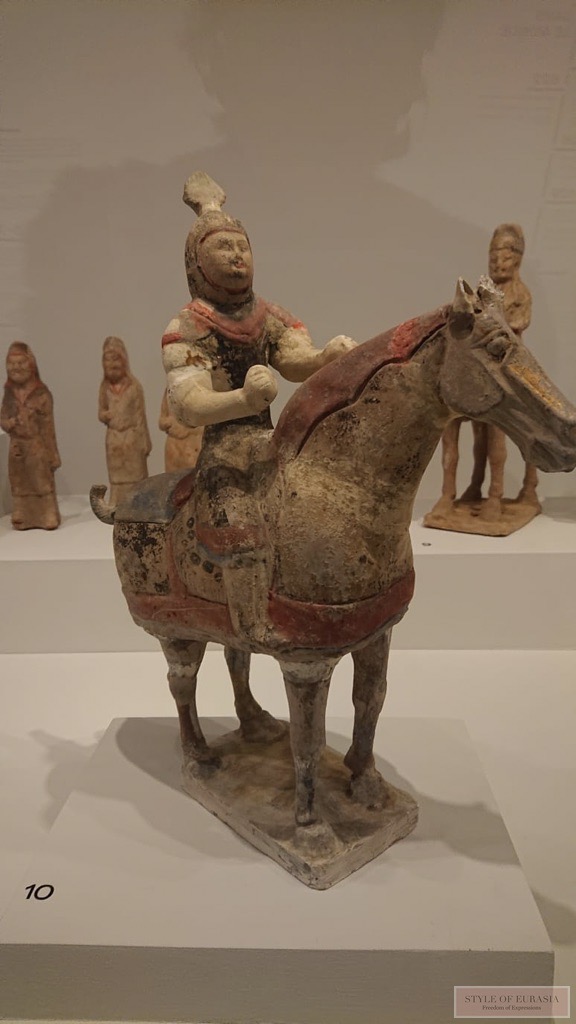
Tang society was divided between the scholarly elite—who rose through imperial examinations—and the rest of the population, living outside the Imperial City. Yet life thrived: women’s fashion evolved (as seen in tomb figurines showcasing elaborate hairstyles and makeup), and performance arts (music, theater, dance), fine craftsmanship, painting, and even sports (polo) and hunting flourished.
Общество Тан делилось на образованную элиту, проходившую императорские экзамены, и остальное население, жившее за пределами Императорского города. Тем не менее, жизнь процветала: развивалась женская мода (о чём свидетельствуют погребальные статуэтки с замысловатыми причёсками и макияжем), искусства выступлений (музыка, театр, танец), изящные ремёсла, живопись, а также спорт (поло) и охота.
 Click to open image!
Click to open image!
Click to open image!
 Click to open image!
Click to open image!
Click to open image!
 Click to open image!
Click to open image!
Click to open image!
 Click to open image!
Click to open image!
Click to open image!
 Click to open image!
Click to open image!
Click to open image!
 Click to open image!
Click to open image!
Click to open image!
 Click to open image!
Click to open image!
Click to open image!
 Click to open image!
Click to open image!
Click to open image!
 Click to open image!
Click to open image!
Click to open image!
 Click to open image!
Click to open image!
Click to open image!
 Click to open image!
Click to open image!
Click to open image!
 Click to open image!
Click to open image!
Click to open image!
 Click to open image!
Click to open image!
Click to open image!
 Click to open image!
Click to open image!
Click to open image!
 Click to open image!
Click to open image!
Click to open image!
 Click to open image!
Click to open image!
Click to open image!
 Click to open image!
Click to open image!
Click to open image!
 Click to open image!
Click to open image!
Click to open image!
 Click to open image!
Click to open image!
Click to open image!
 Click to open image!
Click to open image!
Click to open image!
https://www.styleofeurasia.com/big-city-life/item/3586-la-chine-des-tang#sigProGalleriad28d2df7a9
Related items
- From Mangystau to Paris: Kazakh Designer Meruert Balmanova Presents Her Collections in the French Capital
- Fabrice Moizan Takes the Helm at Le Bristol Paris as the Palace Enters Its Second Century
- La Nuit des Roses by Artmia Paris: Fashion, Innovation and a Masquerade Ball in Paris
- The Second Season of “His Maid’s Story” Premieres on Ivi and START on October 6
- Vogue World: Milano 2026 Turns the Galleria Vittorio Emanuele II into a Spectacular Fashion Stage


